Direct Clinical Takeaway: Do Copper Peptides or Retinol Rebuild Collagen Faster?
When evaluating copper peptides vs retinol for anti-aging and dermal remodeling, clinical biopsy trials reveal distinctly complementary mechanisms: Retinol (Vitamin A) accelerates epidermal cellular turnover and gene transcription via nuclear retinoic acid receptors, visibly smoothing fine lines and reducing hyperpigmentation faster (8 to 12 weeks), but carries significant barrier disruption and retinoid dermatitis risks. Conversely, Copper Peptides (GHK-Cu tripeptides) act as biological wound-healing signaling molecules that actively rebuild both Type I and Type III collagen, boost elastin, and synthesize glycosaminoglycans while actively repairing the lipid moisture barrier with zero irritation or photosensitivity. For mature or sensitive skin, copper peptides provide gentler tissue remodeling, while retinol delivers faster epidermal resurfacing.
When comparing copper peptides vs retinol, dermatology patients frequently encounter conflicting advice regarding which bioactive compound delivers superior wrinkle reduction, firmness, and dermal collagen synthesis. Both ingredients represent the absolute pinnacle of non-invasive anti-aging science, yet they operate through entirely dissimilar biological pathways. Choosing between them—or understanding how to cycle them intelligently—requires a thorough examination of molecular histology, cellular kinetics, and enzymatic tissue remodeling.
For decades, Vitamin A derivatives (retinoids) have stood as the undisputed gold standard in clinical photoaging therapy. However, the associated retinization phase—characterized by erythema, epidermal flaking, stratum corneum barrier compromise, and heightened trans-epidermal water loss (TEWL)—leaves many patients seeking equally potent, bio-compatible alternatives. Enter copper tripeptide-1 (GHK-Cu): an endogenous peptide complex discovered by biochemist Dr. Loren Pickart that plays an irreplaceable role in wound healing, stem cell proliferation, and extracellular matrix (ECM) regeneration without provoking inflammatory cascades.
In this authoritative medical guide, our clinical dermatology team reviews the peer-reviewed biochemical evidence, comparative biopsy studies, collagen induction timelines, and formulation nuances between copper peptides and retinol. Whether your clinical objective is accelerating dermal repair after clinical procedures, targeting deep solar elastosis, or avoiding barrier breakdown, this evaluation delivers precise, actionable guidance.

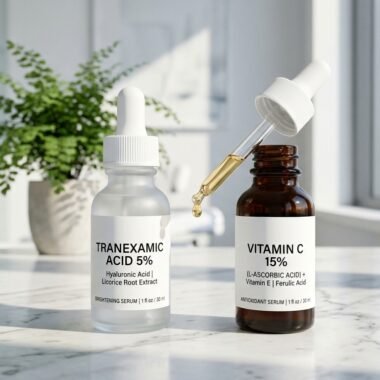
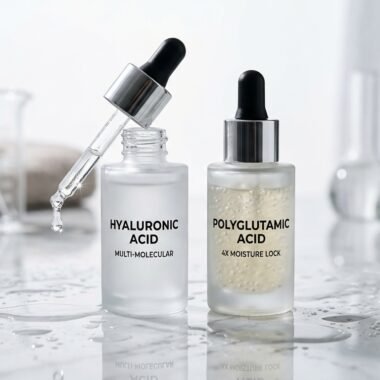
Figure 1: The clinical anti-aging faceoff: Endogenous GHK-Cu Copper Tripeptide serum (left) alongside Vitamin A Retinol serum (right) on a clinical vanity.
Molecular Mechanisms: How GHK-Cu and Retinol Signal Skin Cells
To comprehend why copper peptides and retinol behave so differently on living dermal tissue, we must examine their underlying biochemistry at the cellular and nuclear receptor levels.
Copper Peptides (GHK-Cu): Glycyl-L-histidyl-L-lysine (GHK) is a naturally occurring human plasma tripeptide with an exceptionally high binding affinity for copper(II) ions. In human physiology, plasma levels of GHK decline from approximately 200 ng/mL at age 20 to less than 80 ng/mL by age 60, directly mirroring the age-related decline in tissue regenerative capacity. When topically delivered in a stabilized cosmetic vehicle, GHK-Cu functions as a matrikine—a biomimetic messenger peptide that signals dermal fibroblasts to upregulate collagen synthesis, decorin expression, and glycosaminoglycan (GAG) production. Crucially, GHK-Cu downregulates pro-inflammatory cytokines such as TGF-beta and TNF-alpha, fostering a regenerative, anti-inflammatory microenvironment in the papillary dermis.
Retinol (Vitamin A): Retinol is a fat-soluble diterpene alcohol. Applied topically, it must traverse the lipophilic stratum corneum and undergo a two-step intracellular enzymatic oxidation: first converting to retinaldehyde via alcohol dehydrogenases (ADH), and subsequently oxidizing into all-trans retinoic acid via retinaldehyde dehydrogenases (RALDH). Once formed, retinoic acid binds to specific nuclear retinoic acid receptors (RAR) and retinoid X receptors (RXR). This nuclear receptor binding modulates gene transcription, upregulating keratinocyte proliferation in the basal layer, compacting the stratum corneum, and stimulating fibroblasts to produce procollagen while simultaneously inhibiting collagenase enzymes.
If you are exploring the broader hierarchy of prescription vs. non-prescription retinoids, our comprehensive clinical analysis on Tretinoin vs Retinol breaks down the exact metabolic conversion math and cellular efficacy rates across modern dermatological protocols.

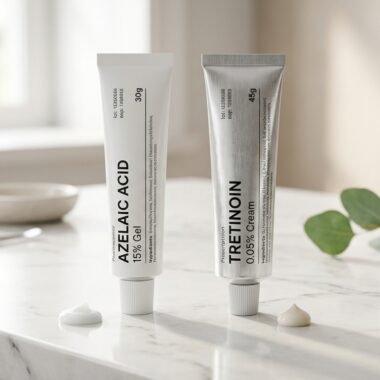
Figure 2: Biological signaling pathways: GHK-Cu directly stimulates fibroblast collagen synthesis and matrix metalloproteinase balance without disrupting the epidermal lipid bilayer.
Collagen Synthesis Compared: Type I vs. Type III & Elastin Remodeling
A frequent marketing claim asserts that retinol stimulates collagen while peptides merely “support” it. Modern histological biopsy trials demonstrate that this is an oversimplification that ignores extracellular matrix architecture.
In youthful skin, structural integrity depends not only on Type I collagen (which provides tensile strength) but also on Type III collagen (known as embryonic or reticular collagen, which imparts elasticity and softness) and functional elastin fibers. As skin ages, the ratio of Type I to Type III collagen shifts unfavorably, while matrix metalloproteinases (MMPs) degrade existing elastin networks.
- Retinol’s Collagen Profile: Retinol primarily drives Type I procollagen synthesis by stimulating dermal fibroblasts through retinoic acid receptor activation. It excels at reversing photo-damage by inhibiting MMP-1 (collagenase) and MMP-8. However, retinol has minimal direct impact on elastin synthesis and can temporarily degrade stratum corneum barrier lipids during initial cellular turnover acceleration.
- Copper Peptides’ Collagen & Elastin Profile: Groundbreaking clinical trials conducted by Abdulghani et al. demonstrated that topical copper peptides induced a higher percentage of collagen deposition in human skin punch biopsies over a one-month period than both Vitamin C and tretinoin. Furthermore, GHK-Cu stimulates lysyl oxidase (a copper-dependent enzyme essential for cross-linking collagen and elastin), actively boosting tropoelastin synthesis and rebuilding elastic fibers that retinol cannot synthesize independently.
For patients looking to target dynamic expression lines alongside structural dermal remodeling, combining peptide protocols with neuro-peptide formulations such as Argireline solution offers a proven topical strategy to relax micro-contractions while rebuilding foundational dermal density.
Head-to-Head Comparison: Copper Peptides vs. Retinol
The following detailed medical comparison table highlights the pharmacological, structural, and tolerance differences between copper peptides and retinol:
| Clinical Parameter | Copper Peptides (GHK-Cu) | Retinol (Vitamin A) |
|---|---|---|
| Molecular Classification | Tripeptide-metal carrier complex (GHK + Cu²⁺) | Fat-soluble diterpene alcohol (Vitamin A derivative) |
| Primary Mechanism | Fibroblast activation, matrikine ECM remodeling, antioxidant | Gene transcription via nuclear RAR/RXR, accelerated cell turnover |
| Collagen Types Stimulated | Type I, Type III, Tropoelastin, Glycosaminoglycans (GAGs) | Primarily Type I procollagen; inhibits MMP-1 and MMP-8 |
| Skin Barrier Impact | Strengthens barrier, reduces TEWL, accelerates wound healing | Temporarily disrupts barrier; elevates TEWL during retinization |
| Irritation & Purging Risk | Virtually zero; soothing, anti-inflammatory | High (retinoid dermatitis, peeling, redness, purging breakouts) |
| Photosensitivity | Non-photosensitizing; safe for AM and PM use | Photosensitizing; degrades in UV light; PM only |
| Speed of Visible Results | 4 to 8 weeks for firmness, plumpness, and hydration | 8 to 12 weeks for fine lines; 16 to 24 weeks for deep remodeling |
| Fitzpatrick Safety Profile | Safe for all skin types (Fitzpatrick I–VI) with zero PIH risk | Moderate risk of Post-Inflammatory Hyperpigmentation (PIH) in IV–VI |
| Incompatible Actives | Direct Vitamin C (L-ascorbic acid), strong AHAs/BHAs (low pH) | Benzoyl peroxide, harsh chemical peels (causes severe peeling) |

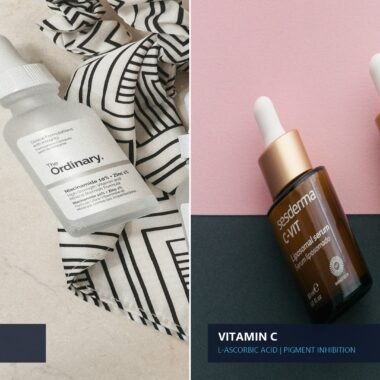
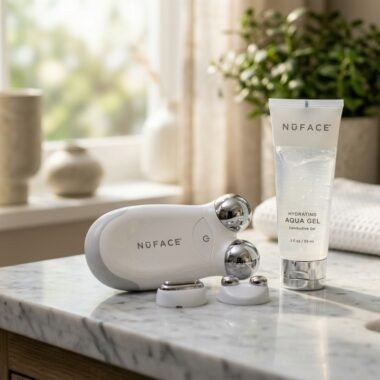
Figure 3: Multi-active comparison matrix: Balancing collagen remodeling potency against barrier irritation and daily tolerability.
Clinical Trial Evidence: Biopsy Data vs. Real-World Efficacy
When analyzing published dermatology trials, it is crucial to separate in vitro laboratory assays from controlled in vivo human clinical trials:
1. The Landmark Abdulghani Biopsy Study
In a randomized, double-blind study published in the peer-reviewed literature, 71 female subjects with moderate photoaging applied creams containing copper peptide (GHK-Cu), tretinoin 0.025%, Vitamin C, or placebo for one month. Histological punch biopsies taken from the treated areas revealed that copper peptide cream stimulated new collagen production in 70% of subjects, compared to 50% for tretinoin and 40% for Vitamin C. Researchers observed that while tretinoin produced marked epidermal thickening through rapid keratinocyte turnover, GHK-Cu yielded a more structurally organized collagen matrix in the papillary dermis without inflammatory infiltrate.
2. Long-Term Retinol Remodeling Data
Conversely, long-term retinoid studies spanning 6 to 12 months (Mukherjee et al., PMID: 17117621) demonstrate that while retinol requires longer to demonstrate dermal thickening, its sustained ability to inhibit UV-induced matrix metalloproteinases makes it unmatched for halting ongoing photo-damage. Retinol also uniquely addresses epidermal dyschromia, clearing solar lentigines and mottled pigmentation through melanocyte transfer inhibition—an area where copper peptides exert only secondary benefits through general tissue renewal.
To dive deeper into the clinical evidence surrounding topical peptide therapy, read our dedicated medical breakdown on copper peptides benefits for skin, which covers peptide purity standards and concentration thresholds.

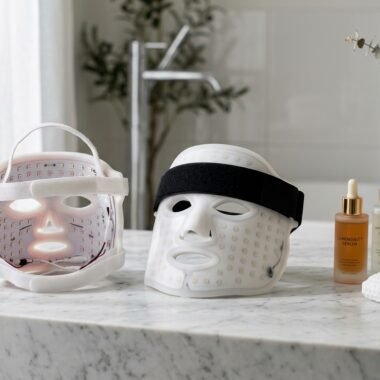
Figure 4: Proper application technique: Applying GHK-Cu serum to freshly cleansed, slightly damp skin ensures rapid bio-distribution across epidermal layers.
Skin Barrier Health: The Deciding Factor for Sensitive & Rosacea-Prone Skin
The single greatest clinical divide between copper peptides and retinol lies in their interaction with the epidermal moisture barrier:
The Retinoid Compromise: Retinoids accelerate desquamation by disrupting cohesion between mature corneocytes in the stratum granulosum. During the initial 4 to 8 weeks of retinoid use (the retinization period), patients frequently experience a 20% to 45% increase in trans-epidermal water loss (TEWL). For patients with baseline rosacea, eczema, or an already compromised barrier, retinol can precipitate severe contact dermatitis, persistent erythema, and post-inflammatory hyperpigmentation (especially in Fitzpatrick skin types IV through VI).
The Copper Peptide Advantage: GHK-Cu is intrinsically a wound-healing and tissue repair factor. It upregulates keratinocyte growth factor (KGF) and enhances the synthesis of essential intercellular lipids (ceramides, sphingomyelins, and free fatty acids). Rather than stripping the stratum corneum, copper peptides fortify barrier resilience, calm neuro-sensory burning, and reduce micro-vascular erythema. Dermatologists frequently recommend GHK-Cu for post-laser recovery, post-microneedling healing, and as a potent anti-aging alternative for patients completely intolerant to retinoids.
If you regularly perform home resurfacing, combining gentle barrier-supporting actives after chemical exfoliation is essential. Check our clinical guide on the best at-home chemical peels for safe sequencing protocols.
The ‘Copper Ugly’ Myth vs. Matrix Metalloproteinase Regulation
Within online skincare communities, an infamous phenomenon known as the “copper ugly” effect is frequently discussed—where users claim that initiating copper peptide therapy caused sudden facial sagging, crepiness, or rapid textural degradation. As clinicians, we must separate physiological reality from cosmetic misconception:
Copper tripeptide-1 possesses a sophisticated bidirectional regulatory influence over matrix metalloproteinases (MMPs). Unlike synthetic chemicals that push cellular processes in a single linear direction, GHK-Cu activates MMP-2 (gelatinase A), an enzyme responsible for clearing out damaged, cross-linked, photo-damaged collagen fragments and clumped elastin from scarred or aged skin. Once the defective extracellular matrix fragments are broken down, GHK-Cu signals dermal fibroblasts to synthesize fresh, pristine Type I and Type III procollagen.
When an individual uses an excessively high concentration of copper peptides (such as unbuffered 3%–7% solutions) or applies them multiple times a day to skin with impaired barrier defenses, the initial clearance of degraded collagen can temporarily outpace the speed of new collagen synthesis. This creates a brief transient window where skin feels less firm before structural synthesis catches up. To prevent this entirely, dermatologists recommend adhering strictly to stabilized 1% to 2% GHK-Cu formulations applied no more than once daily, paired with adequate dietary amino acids and barrier-restoring ceramides.
Formulation Vehicle Chemistry: Emulsions, Peptides, and Liposomes
The efficacy of both copper peptides and retinol depends drastically on the physicochemical architecture of their cosmetic vehicles. A high percentage of an active compound printed on the packaging is clinically meaningless if the vehicle cannot deliver the molecule through the stratum corneum barrier intact:
- GHK-Cu Vehicle Demands: GHK-Cu is an inherently hydrophilic, water-soluble peptide complex carrying a net positive charge. Unassisted, large water-soluble peptides struggle to penetrate lipid-rich corneocyte interspaces. Advanced clinical formulas overcome this hurdle by utilizing biomimetic liposomal encapsulation, phospholipid nanocarriers, or penetration accelerants such as ethoxydiglycol and hyaluronic acid cross-polymers. Crucially, copper peptides require a neutral to slightly basic physiological pH (between 5.5 and 7.0). If an emulsion’s pH dips below 4.5, hydrogen ions compete for the histidine nitrogen binding sites, destabilizing the chelated copper ion and neutralizing its regenerative potency.
- Retinol Delivery Demands: Retinol is highly lipophilic but exceptionally thermolabile and photo-unstable. When exposed to ambient oxygen and ultraviolet wavelengths, retinol rapidly photo-isomerizes into 13-cis-retinol and oxidized photolytic byproducts that irritate the skin without activating retinoic acid receptors. Premium clinical retinol products employ multi-layered lipid micro-spheres (polycaprolactone or oleosome technology) stored within opaque, nitrogen-flushed airless pump canisters to ensure prolonged release and zero atmospheric degradation.
Dermatological Protocols by Age Bracket: 20s, 30s, 40s, and 50s+
Because cellular turnover kinetics, fibroblast density, and hormonal collagen degradation shift dramatically across different decades of life, dermatologists customize the selection between copper peptides and retinol according to your biological age bracket:
1. In Your 20s (Prevention & Cellular Optimization)
In your twenties, endogenous GHK levels remain relatively robust, and intrinsic collagen degradation is minimal. The primary objective is preventing UV-mediated elastosis and managing sebum oxidation. A gentle over-the-counter encapsulated retinol (0.2%–0.3%) used 2 to 3 evenings per week is ideal to prevent microcomedones and maintain uniform keratinization. Copper peptides can be reserved as an occasional barrier-fortifying serum following sun exposure or intensive outdoor athletic training.
2. In Your 30s (First Textural Lines & Cellular Slowdown)
Between ages 30 and 39, fibroblast proliferation slows by approximately 1% to 1.5% annually. The stratum corneum begins to retain dead corneocytes longer, leading to initial dullness, while dynamic expression lines around the glabella and periorbital regions begin to etch into resting creases. Dermatologists recommend initiating a structured alternating skin-cycling schedule: Retinol (0.5%) on alternate evenings for epidermal resurfacing, paired with GHK-Cu (1%) on alternate recovery evenings to promote Type III collagen preservation and combat early dermal thinning.
3. In Your 40s (Dermal Thinning & Matrix Degradation)
During the forties, natural estrogen levels begin to fluctuate, precipitating a noticeable decrease in dermal hyaluronic acid and structural elastin cross-linking. At this stage, relying solely on retinol can cause persistent dry-skin cracking and exacerbate fine parchment-like texture. Integrating a clinical 1% to 2% copper peptide serum every single morning under broad-spectrum SPF, while reserving high-strength encapsulated retinol (0.5%–1.0%) for evening use 3 nights per week, delivers the optimal balance of deep extracellular matrix synthesis and surface refinement.
4. In Your 50s and Beyond (Post-Menopausal Restorative Care)
In the first five years following menopause, women experience up to a 30% reduction in dermal collagen density, accompanied by profound vascular fragility and stratum corneum thinning. Retinoids can easily provoke chronic retinoid dermatitis and micro-vascular telangiectasias in post-menopausal tissue. For this demographic, copper peptides represent the cornerstone therapeutic active. GHK-Cu rebuilds extracellular matrix thickness, stimulates capillary micro-circulation, and restores epidermal elasticity with complete safety. If retinol is used, it should be applied in an ultra-gentle micro-dosed formula buffered with a rich ceramide lipid base.
Can You Use Copper Peptides and Retinol Together? (The Cycling Protocol)
One of the most frequently asked questions in cosmetic dermatology is: “Can I layer copper peptides and retinol in the same routine?”
The Chemical Incompatibility: Dermatologists strongly advise against direct layering of copper peptides and retinol simultaneously in the same morning or evening routine. Copper(II) ions are redox-active transition metals. When mixed directly with retinoids or un-encapsulated formulations, copper ions can catalyze the oxidation of retinol, degrading both active molecules into inert byproducts before they can penetrate the epidermis. Furthermore, using two highly stimulatory anti-aging actives at the exact same moment can overtax cellular metabolism.
The Dermatologist Skin-Cycling Schedule
To capture the synergistic benefits of both actives without chemical destabilization or irritation, dermatologists recommend an Alternating PM Skin-Cycling Protocol:
- Night 1 (Epidermal Resurfacing): Cleanser → Retinol (0.3%–1% encapsulated) → Ceramide Barrier Cream.
- Night 2 (Dermal Repair & Recovery): Cleanser → Copper Peptide Serum (1%–2% GHK-Cu) → Hyaluronic Acid / Squalane Moisturizer.
- Night 3 (Rest & Barrier Replenishment): Cleanser → Centella / Ceramide Restorative Emulsion.
- Every Morning (Protection & Antioxidants): Gentle Cleanser → Copper Peptides or Hydrating Peptides → Broad-Spectrum Mineral SPF 50+.
This cycling protocol ensures consistent nuclear receptor stimulation from retinol on Night 1, followed immediately by biological repair and collagen cross-linking from copper peptides on Night 2, completely bypassing retinoid burnout.
Drug Interactions & Actives Hierarchy: Niacinamide, AHAs/BHAs & Vitamin C
To maintain absolute chemical stability when incorporating copper peptides and retinol into your broader daily skincare regimen, follow these strict pharmacological sequencing rules:
- Copper Peptides + Niacinamide (Vitamin B3): Highly compatible. Both actives thrive at a physiological pH of 5.5 to 6.5. Niacinamide stimulates ceramide biosynthesis while GHK-Cu drives collagen remodeling, making them an exceptional pairing for reducing redness and pore enlargement.
- Copper Peptides + Pure L-Ascorbic Acid (Vitamin C): Incompatible in direct mixture. Pure Vitamin C requires an acidic pH below 3.5 to penetrate human skin, which instantly cleaves the chelated copper ion from the GHK peptide backbone. Always apply Vitamin C in the morning and copper peptides in the evening, or utilize non-acidic lipid-soluble Vitamin C derivatives such as tetrahexyldecyl (THD) ascorbate.
- Retinol + Alpha/Beta Hydroxy Acids (Glycolic/Salicylic Acid): High irritation risk. Layering chemical exfoliating acids immediately before retinol strips the protective lipid barrier, leading to uncontrolled retinoid absorption, severe chemical erythema, and barrier compromise. Keep exfoliating acids on separate dedicated evenings.
- Copper Peptides + Sunscreen: Perfectly compatible. GHK-Cu exhibits native superoxide dismutase (SOD) mimic activity, neutralizing reactive oxygen species (ROS) generated by UV exposure beneath your daily zinc oxide or titanium dioxide SPF shield.
How to Select Clinical-Grade Formulations
When selecting a copper peptide or retinol product, examine the ingredient label with clinical scrutiny:
- Copper Peptide Concentration: Legitimate clinical GHK-Cu serums exhibit a distinct, natural sky-blue or vibrant blue hue resulting from the copper-peptide chelate complex. Products that appear pale or require synthetic blue dyes (such as CI 42090) typically contain sub-therapeutic peptide concentrations (less than 0.1%). Look for verified concentrations between 1% and 2% GHK-Cu or Copper Tripeptide-1 formulated at a neutral pH of 5.5 to 7.0.
- Retinol Delivery Vehicle: Plain retinol degrades rapidly upon exposure to light and ambient air. Look for encapsulated retinol, liposomal retinol, or airless pump packaging containing stabilizing antioxidants (such as ferulic acid or tocopherol) at concentrations ranging from 0.3% (beginners) to 1.0% (advanced).
Medical Verdict: Which Rebuilds Collagen Faster?
In the final clinical analysis, the answer to whether copper peptides or retinol rebuilds collagen faster depends on your specific dermal target:
- For Speed of Initial Dermal Firmness & Barrier Tolerance: Copper Peptides (GHK-Cu) demonstrate faster measurable increases in procollagen synthesis and tissue density within the first 4 to 8 weeks, especially in compromised, mature, or sensitive skin types where retinoids would induce barrier breakdown.
- For Deep Photodamage, Dynamic Wrinkles & Texture: Retinol remains the gold standard for long-term nuclear receptor gene modulation, epidermal resurfacing, and hyperpigmentation clearance, achieving profound structural improvements over 12 to 24 weeks of continuous use.
- The Dermatologist Strategy: For optimal clinical outcomes, do not treat copper peptides and retinol as adversaries. Utilize both through structured night-cycling to achieve both rapid epidermal smoothing and deep, resilient extracellular matrix remodeling.