If you are weighing Microcurrent vs Red Light Therapy to lift sagging facial contours and erase deep wrinkles at home, you are facing the ultimate decision in modern non-invasive aesthetic technology.
Both modalities promise salon-grade skin rejuvenation, firmer facial architecture, and a visibly sculpted profile without needles or surgery. Yet, while glossy marketing campaigns frequently lump them together as interchangeable “anti-aging gadgets,” they operate on fundamentally opposing anatomical structures.
In this exhaustive, evidence-based clinical guide, we compare the physics, biological targets, clinical timelines, and realistic limitations of microcurrent facial sculpting and LED photobiomodulation to help you choose the precise tool your skin requires.
⚡ At a Glance: Quick Clinical Verdict
The Short Answer: Choose Microcurrent if your primary cosmetic frustration is structural skin laxity, softening jawline contours, drooping eyebrows, or facial puffiness requiring an immediate physical lift.
Choose Red Light Therapy if your main concerns are textural photoaging, loss of dermal thickness, persistent chronic redness, dynamic crow’s feet, or slow cellular turnover. For maximal biological longevity, dermatologists frequently recommend combining both modalities into a synchronized weekly regimen.
The Core Anatomical Difference: Muscle Toning vs. Cellular Remodeling
To grasp why comparing microcurrent to red light is like comparing weight training to cellular nutrition, one must examine the distinct anatomical layers of the human face.
Human facial skin is supported by a complex scaffold consisting of the superficial epidermis, the collagen-dense dermis, the subcutaneous fat compartments, and the underlying Superficial Musculoaponeurotic System (SMAS)—the continuous layer of facial musculature and fibrous fascia.
Microcurrent bypasses superficial epidermal texture almost entirely. Its low-voltage electrical currents travel straight into the underlying mimetic facial muscles, acting as an intentional, targeted workout that re-educates motor fibers and tightens the muscular sling.
Conversely, Red Light Therapy (Photobiomodulation) acts purely on a cellular and photochemical level within the dermis. Photons of red and near-infrared light do not stimulate muscle contractions; they recharge the energy factories inside your skin cells, instructing dermal fibroblasts to synthesize fresh, bouncy collagen fibers.
What is Microcurrent? Anatomy of Electrical Facial Sculpting
Microcurrent technology originated in conventional neurology and physical therapy during the 1970s, where it was primarily prescribed to rehabilitate patients suffering from Bell’s Palsy and facial paralysis.
Physicians noticed an intriguing side effect: patients undergoing regular low-frequency electrical stimulation exhibited noticeably firmer, lifted skin on the treated side of their faces. Aesthetic biomedical engineers soon miniaturized this technology for daily consumer use, popularized by market leaders like NuFace, Ziip, and Foreo.
- Current Intensity: Measured in microamperes (µA), typically ranging from 150 µA to 400 µA—far below the sensory threshold of pain.
- Primary Biological Target: Superficial facial musculature, motor nerve endings, and lymphatic vessels.
- Key Cellular Effect: Upregulation of Adenosine Triphosphate (ATP) production by up to 500% in muscular tissue.
- Required Medium: Specialized conductive water-based gel to allow electrical conductivity into deep tissue without surface stinging.
- Treatment Sensation: Mild tingling, subtle galvanic metallic taste along the jawline, and gentle involuntary muscle twitching.
- Session Commitment: 5 to 15 minutes of manual gliding along facial vectors, 3 to 5 times weekly.
The fundamental principle of microcurrent is muscular re-education. Just as lifting weights in a gym increases tone in your biceps, microcurrent gently shortens elongated, sagging facial muscles (like the zygomaticus major and minor) while releasing chronically contracted muscles that cause furrow lines.
What is Red Light Therapy? Anatomy of Optical Photobiomodulation
Red Light Therapy (RLT), technically classified as Photobiomodulation (PBM) or Low-Level Light Therapy (LLLT), originated from NASA research investigating plant growth and wound acceleration in zero-gravity space environments.
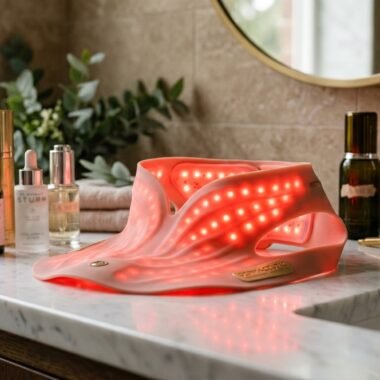
Unlike microcurrent, which delivers electrical charges through metallic spheres, red light therapy delivers non-thermal photons of light through specialized semiconductor light-emitting diodes (LEDs). Popularized by medical-grade devices like the Omnilux Contour and CurrentBody LED masks, RLT requires zero manual gliding.
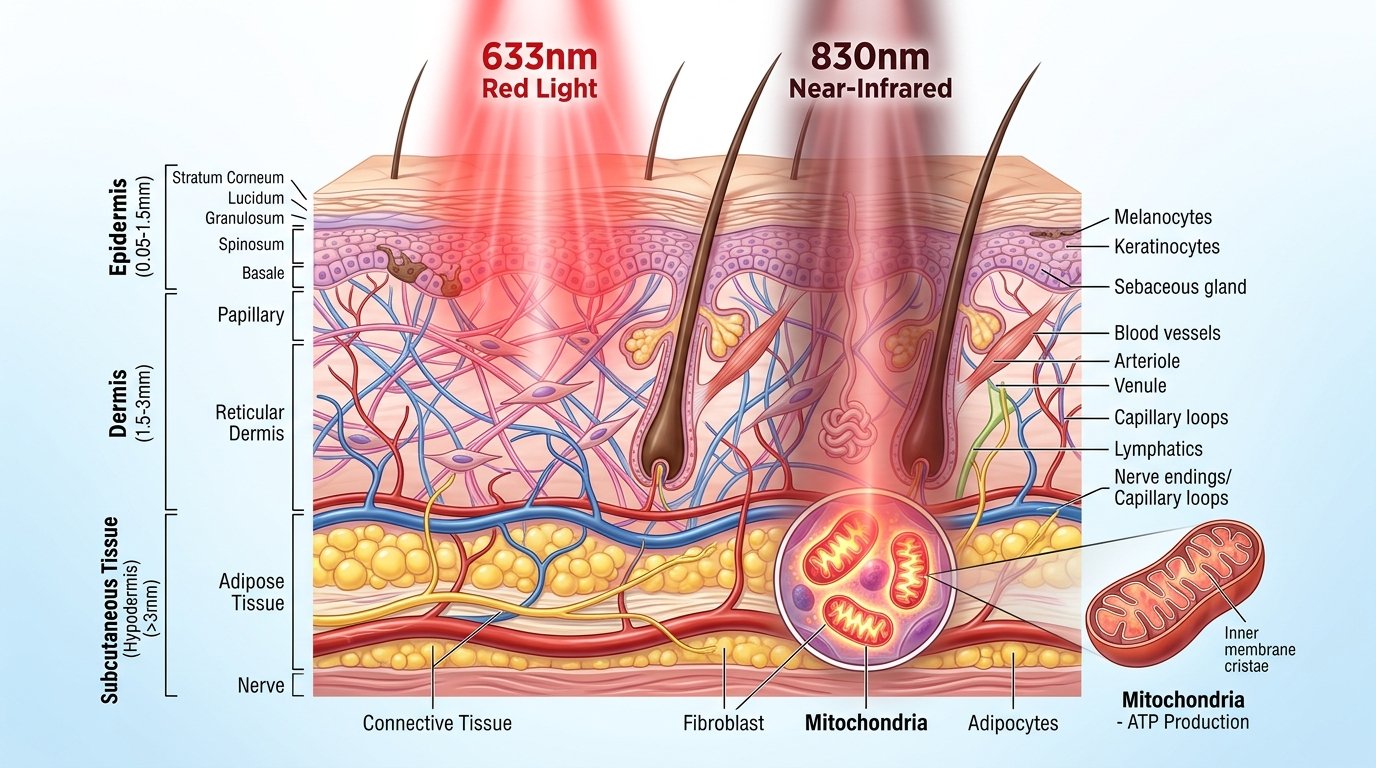
- Therapeutic Wavelengths: Clinically validated 633nm visible Red Light and 830nm invisible Near-Infrared (NIR) Light.
- Primary Biological Target: Dermal fibroblasts, microvascular capillary beds, and cellular mitochondria.
- Key Cellular Effect: Photochemical stimulation of Cytochrome c Oxidase to accelerate cellular metabolism and pro-collagen 1 secretion.
- Required Medium: Bone-dry, freshly cleansed bare skin (zero conductive gels; light must penetrate without refraction).
- Treatment Sensation: Completely painless, non-thermal soothing ambient glow with subtle cellular warmth.
- Session Commitment: 10 minutes of passive hands-free relaxation, 3 to 5 times per week.
The hallmark of red light therapy is cumulative structural rebuilding. While microcurrent provides immediate aesthetic gratification that fades after 48 to 72 hours without maintenance, red light therapy builds an enduring biological foundation of dense, healthy dermal tissue.
The Cellular Science: How Both Modalities Generate Energy
Intriguingly, while microcurrent and red light therapy utilize totally different energy inputs (electricity vs. light), they converge on the exact same cellular objective: the dramatic upregulation of Adenosine Triphosphate (ATP).

How Microcurrent Charges Cells Electrically
In landmark biomedical research conducted by Dr. Ngok Cheng, microcurrent stimulation between 50 µA and 500 µA increased intracellular ATP levels by a staggering 500% while enhancing amino acid transport across cell membranes by 30 to 40%, as cataloged in peer-reviewed electrotherapy literature on PubMed.
When electrical charges flow through cell membranes, they open voltage-gated calcium channels. This influx of calcium ions triggers mitochondrial enzymes to generate massive bursts of ATP, giving muscle fibers the structural fuel needed to regain firmness and tone.
How Red Light Charges Cells Photochemically
Red light therapy achieves ATP synthesis through optical absorption rather than electrical conductance. Inside mitochondrial cristae, a specific copper-containing enzyme called Cytochrome c Oxidase acts as a chromophore designed specifically to absorb light wavelengths between 600nm and 850nm.
Photons of light dislodge inhibitory nitric oxide molecules, restoring oxygen consumption and initiating a powerful electron transport chain. This cascade triggers robust gene transcription, signaling fibroblasts to produce collagen, reduce oxidative stress, and stimulate microvascular repair as proven in clinical photobiomodulation trials published on PubMed.
Head-to-Head Comparison: 6 Critical Performance Factors
To determine which technology aligns best with your cosmetic lifestyle, we evaluated both modalities across six real-world parameters.
1. Speed of Visible Results (Instant vs. Cumulative)
If you have a wedding, photoshoot, or high-stakes presentation in three hours, Microcurrent wins decisively. A 10-minute microcurrent treatment delivers an immediate, visible contraction of facial muscles, lifting the cheekbones, sculpting the jawline, and draining stagnant lymphatic fluid for a chisel-sharp contour.
However, this instant lift is temporary—lasting approximately 24 to 72 hours before the muscle fibers relax back to baseline. Red light therapy, by contrast, provides zero instant structural lifting. Its benefits are entirely cumulative, requiring 4 to 8 weeks of consistent use before new collagen fibers noticeably thicken the skin.
2. Treatment of Fine Lines vs. Sagging Contours
This is the critical deciding factor: Where is your aging located? If your primary concern is dynamic micro-wrinkles, crepey under-eye texture, or sun-induced fine lines, microcurrent will do very little. Microcurrent tones the muscle beneath, but it cannot repair ultraviolet photo-damage in the extracellular matrix.
For superficial wrinkles, crow’s feet, and rough texture, Red Light Therapy is dramatically superior. Conversely, if your concern is heavy jowls, a sagging double chin, or drooping nasolabial folds caused by gravitational muscle descent, red light therapy alone lacks the mechanical lifting force to reposition that tissue.
3. Active Effort vs. Passive Hands-Free Relaxation
User compliance dictates real-world efficacy. Microcurrent requires dedicated active labor. You must apply sticky conductive gel, stand in front of a mirror, and meticulously glide metallic spheres along specific vector lines across your neck, jawline, and forehead for 10 to 15 minutes.
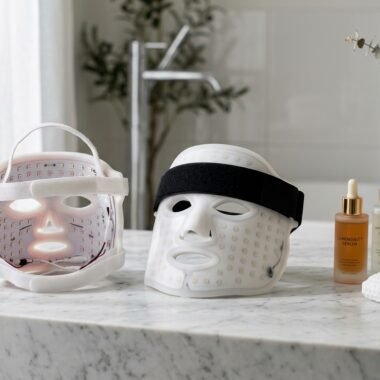
Red light therapy with modern flexible silicone masks like CurrentBody or Omnilux is 100% passive. You strap the mask over clean skin, press a single button, and lie back on your sofa listening to a podcast for 10 minutes while the device does all the work hands-free.
4. Consumable Costs & Ongoing Maintenance
Red light therapy requires zero ongoing consumable expenses. Once you purchase your LED mask or panel, your cost-per-treatment rapidly approaches zero. You simply recharge the controller via USB.
Microcurrent requires a continuous supply of conductive gel or serum. Gliding a microcurrent device on dry skin causes sharp electrical stinging and delivers zero current into the muscles. Proprietary conductive primers cost between $25 and $45 per tube, representing an ongoing operational expense.
5. Comfort & Sensory Experience
Red light therapy is completely painless and non-invasive. Most users find the warm, radiant glow deeply soothing, often describing it as an at-home meditation or chromatic spa experience.
Microcurrent can feel mildly uncomfortable for sensitive individuals. If your conductive gel layer is too thin, you will experience prickly electrical pinpricks. Furthermore, when treating near the mouth or jaw, microcurrent commonly stimulates dental amalgams, producing a strange metallic taste on the tongue or visual light flashes when passing near the optic nerve.
6. Compatibility with In-Office Cosmetic Treatments
Both devices interact differently with clinical aesthetics procedures. If you receive regular neuromodulator injections (Botox, Dysport, Xeomin), aggressive microcurrent can accelerate the metabolic clearance of the toxin, shortening your wrinkle-free longevity.
Red light therapy, conversely, is widely celebrated by dermatologists following in-office procedures like microneedling, laser resurfacing, or chemical peels because its anti-inflammatory 830nm NIR wavelengths dramatically accelerate barrier re-epithelialization and cut downtime in half.

Comprehensive Technical Comparison Table
| Evaluation Criteria | Microcurrent Technology | Red Light Therapy (PBM) |
|---|---|---|
| Primary Target Tissue | Facial Muscles & Superficial Fascia | Dermal Fibroblasts & Mitochondria |
| Primary Biological Outcome | Muscular Toning, Lifting, Lymphatic Drain | Collagen Synthesis & Tissue Repair |
| Mechanism of Action | Low-Voltage Electrical Amperes (µA) | Photochemical Light Photons (633/830nm) |
| Onset of Visible Results | Immediate (Within 10–20 minutes) | Cumulative (4 to 8 weeks consistent use) |
| Longevity of Results | Short-Term (24–72 hours per session) | Long-Term (Durable cellular matrix) |
| Required Consumables | Conductive Gel / Water-Based Primer | None (Clean, dry bare skin) |
| Device Form Factor | Handheld manual gliding wand | Hands-free flexible silicone mask/panel |
| Primary Cosmetic Benefit | Jawline definition, cheekbone lift | Fine lines, crow’s feet, skin density |
| Average Price Point | $200 – $400 USD | $350 – $450 USD |
| Best Overall For | Immediate sculpting & contour laxity | Anti-aging texture, redness & collagen |
The Ultimate Anti-Aging Regimen: Can You Combine Both?
Dermatologists and clinical aesthetic researchers overwhelmingly agree: You do not have to choose between microcurrent vs red light therapy. Because they target entirely different biological systems, they form an extraordinarily synergistic anti-aging stack.
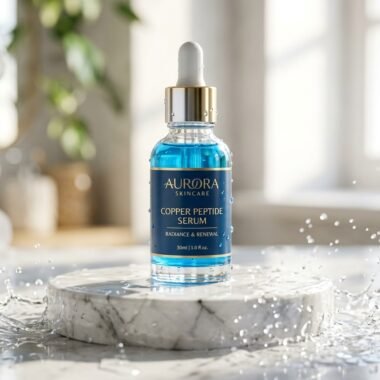
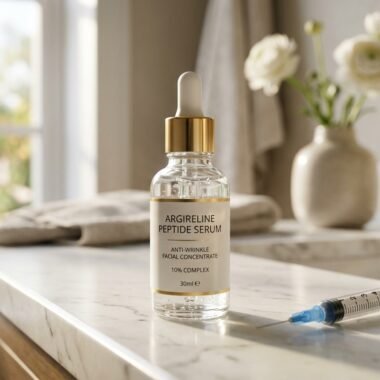
Pairing your device protocol with targeted topical formulas like Argireline peptide solutions or copper peptide complexes enhances both muscle relaxation and collagen remodeling.
The Golden Protocol: How to Stack Them in One Day
- Step 1 (Cleanse): Double-cleanse your face thoroughly with a non-stripping cleanser. Remove all traces of makeup, oil, and mineral sunscreens.
- Step 2 (Red Light First): Fasten your flexible silicone LED mask onto clean, bone-dry skin. Complete your 10-minute cycle. This floods your dermal tissue with ATP without any conductive gel interfering with photon penetration.
- Step 3 (Microcurrent Second): Remove the LED mask. Generously apply your water-based conductive primer or hyaluronic acid gel. Perform your 5 to 10-minute microcurrent lifting routine along the jawline, cheekbones, and brow arches.
- Step 4 (Nourish & Protect): Wipe away excess conductive gel with a warm, damp cloth. Apply your barrier-repair moisturizers, antioxidant serums, and broad-spectrum SPF 50.
Risks, Side Effects & Critical Contraindications
While both modalities are non-invasive and carry high safety margins, their differing energy vectors introduce distinct medical contraindications.
Microcurrent Specific Risks & Contraindications
- Cardiac Pacemakers & Defibrillators: Absolute contraindication. Electrical microcurrents can interfere with internal cardiac pacing circuitry.
- Epilepsy & Seizure Disorders: Low-frequency electrical currents near the head can potentially lower seizure thresholds.
- Metal Implants in Face or Jaw: Titanium dental implants are generally safe, but metal jaw plates or older metal braces can conduct uncomfortable electrical shocks.
- Active Pregnancy: Microcurrent has not undergone controlled clinical safety trials in pregnant women; usage should be suspended.
Red Light Therapy Specific Risks & Contraindications
- Severe Melasma: Deep near-infrared 830nm light generates subtle metabolic heat that can trigger pigment flare-ups in highly reactive melasma patients.
- Photosensitizing Pharmaceuticals: Patients taking Accutane (isotretinoin), Doxycycline, or topical Retinoids must avoid intense optical radiation to prevent photo-allergic dermatitis.
- Active Skin Cancers: Never shine stimulating red or near-infrared light directly over suspicious moles or unverified cutaneous lesions.
5 Common Mistakes That Ruin Your Results
Avoid these frequent user errors that waste your time and compromise device efficacy:
- Using Microcurrent on Dry Skin: Operating a microcurrent device without conductive gel causes surface micro-arcing, stinging, and complete failure to penetrate muscle fibers.
- Wearing Red Light Over Conductive Gel: Never wear an LED mask over thick microcurrent primer; the opaque gel reflects light photons away from your skin cells.
- Gliding Microcurrent Downward: Always move microcurrent spheres in an upward and outward vector against gravity. Dragging down pulls tissue in the wrong direction.
- Expecting Microcurrent to Erase Pigmentation: Microcurrent does not regulate melanocytes. Expecting electrical stimulation to fade sunspots or melasma will lead to disappointment.
- Neglecting Consistency: Both technologies rely on cumulative biological reinforcement. Using either device once every two weeks produces negligible lasting results.
Market Contenders: Top Devices Tested in 2026
Top Microcurrent Picks
- NuFace Trinity+ ($395): The gold-standard FDA-cleared microcurrent device featuring swappable magnetic treatment attachments and an optional “boost button” delivering 25% extra microcurrent power.
- Ziip Halo ($399): Engineered by electrical aesthetician Melanie Simon, the Ziip utilizes both microcurrent and microscopic nanocurrent waveforms to lift muscles while subtly stimulating collagen.
- Foreo Bear 2 ($329): Combines powerful microcurrent with T-Sonic pulsations and an intelligent anti-shock sensor that dynamically adjusts voltage to your skin’s hydration levels.
Top Red Light Therapy Picks
- Omnilux Contour Face ($395): The undisputed medical-grade benchmark with 132 dual-core LEDs and rigid spectral calibration, evaluated in our comprehensive best red light therapy at home reviews.
- CurrentBody Skin LED Mask Series 2 ($380): Flexible, lightweight silicone with enhanced perioral diode placement and synergistic hydrogel sheet mask compatibility.
- HigherDOSE Red Light Mask ($349): Thicker, ultra-durable medical silicone featuring an integrated head-harness built for intensive biohacking routines.
Myths vs. Facts: Clearing the Confusion
Myth 1: Microcurrent permanently damages your facial muscles over time.
Fact: False. Microcurrent operates within physiological microamperes that mimic the body’s natural bio-electric currents. It gently exercises and rehabilitates muscles without inducing muscular hypertrophy or nerve damage.
Myth 2: Red light therapy works better if you sit under it for an hour.
Fact: False. Photobiomodulation obeys the Arndt-Schulz Law of biphasic dose response. Ten to twenty minutes delivers the optimal cellular stimulus. Overtreating exhausts mitochondrial respiration and negates collagen synthesis.
Myth 3: You can use regular aloe vera gel instead of conductive microcurrent primer.
Fact: Mostly false. While pure aloe vera conducts mild current, it absorbs and dries out within two minutes, causing painful skin dragging. Formulated conductive primers maintain electrical conductivity throughout the full session.
Myth 4: Microcurrent can replace in-office dermal fillers.
Fact: False. Microcurrent tightens and tones existing muscular architecture; it does not replace lost subcutaneous fat pads or restore significant structural facial volume like hyaluronic acid fillers.
Pros & Cons Comparison
Microcurrent Technology: Pros & Cons
✅ Advantages:
- Instant, visible facial lifting and jawline contouring.
- Rapid drainage of morning facial puffiness and stagnant lymph.
- Re-educates facial musculature to resist gravitational descent.
- Enhances microcirculation and natural muscle firmness.
❌ Disadvantages:
- Results fade within 48 to 72 hours without continuous use.
- Requires ongoing purchases of specialized conductive gel.
- Requires active manual gliding; zero passive hands-free convenience.
- Does not target superficial dermal photoaging or fine lines.
Red Light Therapy: Pros & Cons
✅ Advantages:
- Long-lasting, cumulative synthesis of fresh collagen and elastin.
- 100% passive, hands-free treatment with zero manual effort.
- Completely painless with zero consumable recurring costs.
- Soothes chronic erythema, calms inflammation, and evens skin tone.
❌ Disadvantages:
- Zero instant structural lifting effect on sagging jowls.
- Requires 4 to 8 weeks of patience before visible changes emerge.
- Higher initial upfront cost for certified Class II medical masks.
Frequently Asked Questions (FAQ)
Which is better for reducing deep under-eye wrinkles?
Red light therapy is significantly better for under-eye wrinkles. Microcurrent cannot be safely applied directly over the delicate orbital bone, whereas red light photons safely penetrate thin periorbital tissue to regenerate depleted collagen.
Can I use microcurrent and red light therapy on the same day?
Yes, you can safely use both on the same day. For optimal results, complete your 10-minute red light therapy session on clean, dry skin first, followed immediately by your microcurrent lifting routine with conductive gel.
Will microcurrent dissolve my dermal fillers or Botox?
Microcurrent will not dissolve hyaluronic acid fillers, but you must wait at least 14 days post-injection before treating. However, microcurrent can shorten the lifespan of Botox by stimulating the exact muscles the toxin is attempting to paralyze.
How long do results last if I stop using microcurrent?
If you discontinue microcurrent treatments, visible muscular lift and contour definition will completely fade within 3 to 7 days as facial muscles gradually relax back to their natural pre-treatment baseline.
Does red light therapy help with sagging neck skin?
Yes, red light therapy thickens thinning dermal tissue across the neck over several months. However, for severe platysmal muscle banding, combining red light with targeted neck microcurrent delivers superior firming results.
Why does microcurrent make my eyes twitch or produce flashes of light?
Mild muscle twitching and harmless optic light flashes (phosphenes) occur when electrical microcurrent temporarily stimulates the optic nerve while treating the upper forehead. It is completely benign and ceases immediately when the device moves away.
Can I use regular water instead of conductive primer gel?
No. Plain tap water evaporates too quickly and lacks the electrolyte mineral density necessary to conduct micro-amperes safely into muscle tissue, resulting in painful surface stinging and negligible muscle toning.
Which device delivers a better return on investment (ROI)?
Red light therapy typically offers superior long-term ROI because it requires zero ongoing consumable expenses and produces permanent biological collagen density, whereas microcurrent requires continuous purchases of conductive primer gel.
The Final Verdict: Which Device Should You Choose in 2026?
When evaluating Microcurrent vs Red Light Therapy, the ideal choice hinges entirely upon your primary aesthetic objective and your personal commitment to self-care rituals.
Choose Microcurrent if: You want immediate gratification, sharp cheekbone and jawline contouring, lymphatic drainage for morning puffiness, and you are fully prepared to spend 10 minutes actively gliding a device with conductive gel 3 to 5 times every week.
Choose Red Light Therapy if: You prioritize long-term skin health, increased dermal thickness, fine line reduction, and calming redness, and you prefer a 100% passive, hands-free 10-minute relaxation routine with zero recurring gel expenses.
If your budget allows, combining both technologies represents the ultimate non-invasive anti-aging protocol available in 2026. Use red light therapy to continuously rebuild your skin’s collagen foundation, and deploy microcurrent to keep your muscular contours lifted, toned, and defined.
🩺 Editorial & Medical Disclaimer
This clinical evaluation was authored and medically reviewed by Dr. Waqar, Clinical Aesthetics Researcher at Medi Glam Hub. The physiological data and comparative analyses presented in this article are intended strictly for educational and aesthetic wellness purposes and do not replace personalized dermatological care. If you have implanted medical electronic devices, a history of epilepsy, or underlying systemic skin disorders, consult with your primary physician before initiating electrical or optical at-home therapies.