Direct Clinical Takeaway: Is Glycolic Acid or Salicylic Acid Better for Your Skin?
When comparing glycolic acid vs salicylic acid, the deciding clinical factor is lipid solubility and molecular target. Glycolic Acid (an Alpha Hydroxy Acid / AHA) is water-soluble with the smallest molecular size (76 Daltons), penetrating deeply between epidermal corneocytes to dissolve cellular glue, accelerate collagen synthesis, and fade sun spots—making it superior for dry skin, photoaging, and uneven texture. Conversely, Salicylic Acid (a Beta Hydroxy Acid / BHA) is oil-soluble with direct lipophilic affinity, allowing it to penetrate deep inside sebum-filled pores to dissolve microcomedones, clear blackheads, and calm inflammatory acne with native anti-inflammatory salicylate properties.
When deciding between glycolic acid vs salicylic acid for dull skin, congested pores, persistent breakouts, or fine textural lines, you are choosing between the two most scientifically proven chemical exfoliants in modern dermatology. Both compounds have transformed clinical skincare from aggressive physical scrubs into precise biochemical resurfacing. Yet, confusing their distinct biological mechanisms frequently leads to barrier disruption, prolonged redness, or disappointing results.
For more than forty years, hydroxy acids have served as foundational dermatological treatments for acne vulgaris, solar elastosis, melasma, and follicular hyperkeratosis. While cosmetic marketing often groups them together under the umbrella term “chemical peel,” their chemical structures, molecular weights, tissue penetration depths, and cellular targets diverge completely. Using water-soluble glycolic acid to clear deep blackheads is biologically futile, just as relying solely on oil-soluble salicylic acid for deep collagen remodeling is suboptimal.
In this comprehensive medical evaluation, our dermatological editorial team conducts an exhaustive head-to-head comparison between glycolic acid and salicylic acid. We dissect molecular weight dynamics, lipid solubility, dermal penetration mechanics, clinical trial biopsy data, formulation vehicle delivery, Fitzpatrick skin type safety, and practical routine pairing to help you make an authoritative, evidence-based decision.
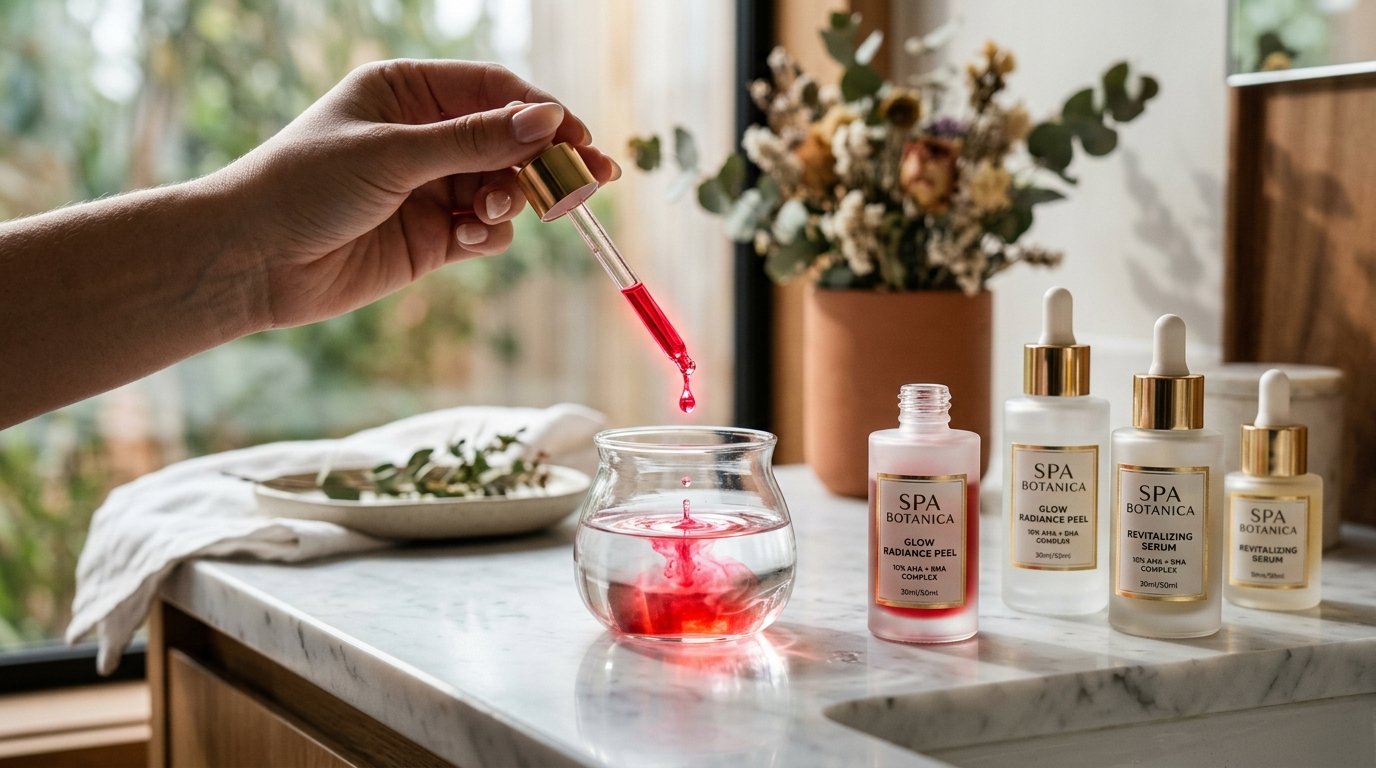
Figure 1: The biochemical resurfacing faceoff: Glycolic Acid (AHA) and Salicylic Acid (BHA) exfoliating formulations evaluated side by side on a clinical vanity.
The Molecular Science: Water-Soluble AHA vs. Oil-Soluble BHA
To grasp the performance divide between glycolic acid and salicylic acid, you must examine how molecular structure dictates chemical solubility across the human skin barrier. The stratum corneum is composed of protein-rich corneocytes surrounded by an intercellular lipid matrix (ceramides, cholesterol, and free fatty acids)—frequently described in dermatology as the “brick-and-mortar” model.
Glycolic Acid (Alpha Hydroxy Acid): Sourced naturally from sugar cane, glycolic acid is a water-soluble organic carboxylic acid featuring a hydroxyl group on the alpha carbon. Crucially, glycolic acid possesses the smallest molecular size of any hydroxy acid—just 76 Daltons (Da). Because of this microscopic size, glycolic acid penetrates between epidermal corneocytes rapidly and deeply. Its primary pharmacological mechanism is desmolytic: it cleaves calcium ions from intercellular desmosomes (the protein rivets binding dead skin cells together), triggering smooth, uniform desquamation of dull surface keratinocytes while stimulating fibroblasts in the papillary dermis to synthesize new Type I collagen and hyaluronic acid.
Salicylic Acid (Beta Hydroxy Acid): Originally derived from willow bark, salicylic acid is an oil-soluble monohydroxybenzoic acid featuring a hydroxyl group on the beta carbon. Possessing a larger molecular weight of 138 Daltons (Da), salicylic acid behaves fundamentally differently from AHAs. Because it is highly lipophilic (oil-loving), salicylic acid bypasses water and dissolves effortlessly through the sebum-rich follicular canal. Its primary mechanism is keratolytic and comedolytic: it breaks down cohesive lipid plugs deep inside the sebaceous gland, clearing microcomedones, trapped sebum, and keratin debris that cause whiteheads and blackheads.
Furthermore, salicylic acid shares a close chemical lineage with acetylsalicylic acid (aspirin). This gives salicylic acid intrinsic, potent anti-inflammatory and antimicrobial properties, allowing it to soothe erythematous, tender inflammatory acne lesions without provoking the vascular flushing frequently caused by aggressive AHAs.
If you are exploring structured clinical resurfacing protocols at home, our comprehensive safety guide on the best at-home chemical peels provides detailed instructions on concentrations, neutralizers, and post-peel barrier recovery.
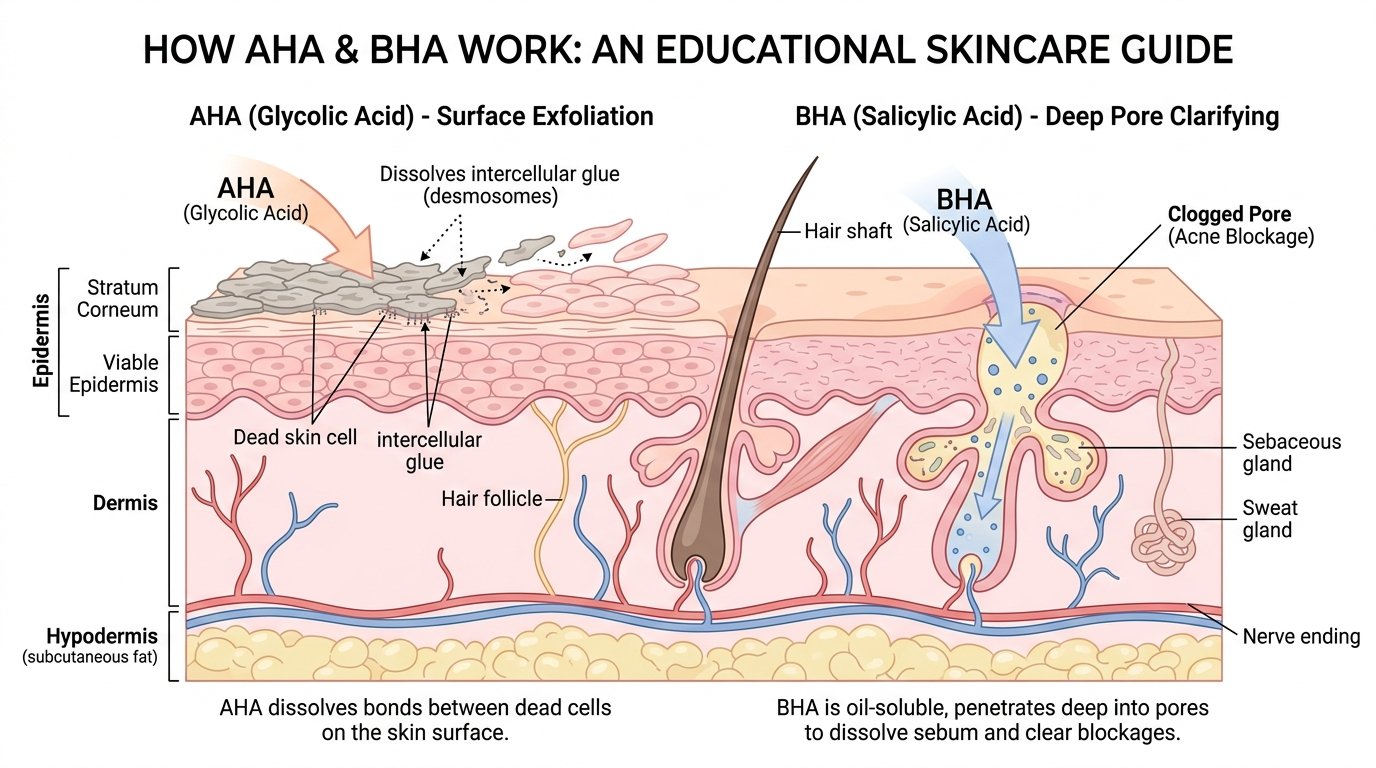
Figure 2: Cellular mechanism comparison: Water-soluble Glycolic Acid dissolves surface desmosomes to boost collagen, while lipophilic Salicylic Acid penetrates sebaceous pores to dissolve acne plugs.
The pH and Free Acid Value: The Secret to True Exfoliating Potency
In clinical chemistry, looking solely at the percentage of glycolic or salicylic acid printed on a cosmetic bottle tells only half the story. The true biological potency of any hydroxy acid is governed strictly by the Free Acid Value (FAV), which is determined by the formulation’s pH relative to the acid’s dissociation constant (pKa):
- Glycolic Acid (pKa 3.83): If a glycolic acid product is formulated at a pH of 3.83, exactly 50% of the acid exists in its active, un-neutralized “free acid” state capable of penetrating the skin. If the manufacturer raises the pH to 4.5 to prevent stinging, the free acid drops to less than 20%, rendering the product largely ineffective for collagen stimulation. Dermatologists consider a pH of 3.0 to 3.8 the therapeutic sweet spot for home glycolic acid products.
- Salicylic Acid (pKa 2.97): Because of its lower pKa, salicylic acid requires an acidic formulation environment between 3.0 and 4.0 to remain un-ionized and biologically active inside the sebaceous follicle. Formulations buffered above pH 4.5 lose their deep pore-clearing ability, acting merely as mild surface hydrators.
Head-to-Head Comparison: Glycolic Acid vs. Salicylic Acid
To help you evaluate these two gold-standard exfoliating acids side by side, review the detailed clinical specifications below:
| Clinical Feature | Glycolic Acid (AHA) | Salicylic Acid (BHA) |
|---|---|---|
| Chemical Classification | Alpha Hydroxy Acid (AHA) | Beta Hydroxy Acid (BHA / Phenolic Acid) |
| Solubility Profile | Water-Soluble (Hydrophilic) | Oil-Soluble (Lipophilic) |
| Molecular Weight | 76 Daltons (Smallest hydroxy acid) | 138 Daltons (Medium molecular size) |
| Primary Anatomical Target | Stratum corneum desmosomes & papillary dermis | Sebaceous follicular canal & pore lining |
| Standard Consumer Concentrations | 5% to 10% (Daily); 20% to 70% (Clinical peels) | 0.5% to 2.0% (Daily); 20% to 30% (Clinical peels) |
| Intrinsic Anti-Inflammatory Action | Low (Can trigger mild vascular erythema) | High (Related to aspirin; calms redness) |
| Dermal Collagen Synthesis | High (Directly stimulates fibroblast Type I collagen) | Mild (Primarily epidermal turnover) |
| Sun Sensitivity Induction | Yes (Increases UV sensitivity by ~50%) | Minimal to None (Mild photoprotective properties) |
| Fitzpatrick Skin Types IV–VI Safety | Requires caution (High concentration can trigger PIH) | Excellent (Very low risk of post-inflammatory marks) |
| Optimal Skin Indications | Sun-damaged skin, fine lines, dullness, keratosis pilaris | Oily skin, blackheads, whiteheads, cystic acne, rosacea |
What the Clinical Trials Prove: Histology, Collagen, and Comedone Reduction
The dermatological efficacy of both hydroxy acids is established through decades of rigorous histological biopsy research.
In a landmark histological study published on PubMed by Ditre et al. in the Journal of the American Academy of Dermatology, researchers examined skin biopsies from subjects applying topical alpha hydroxy acids over six months. The histological findings revealed a 25% increase in total epidermal thickness, a noticeable reversal of basal melanocyte atypia, and a substantial increase in procollagen Type I and glycosaminoglycan synthesis in the papillary dermis. Because of its microscopic 76 Da size, glycolic acid actively communicates with dermal fibroblasts, proving that consistent AHA application genuinely remodels sun-damaged, photoaged tissue.
Simultaneously, extensive reviews by Kornhauser et al. in Clinical, Cosmetic and Investigational Dermatology confirmed that salicylic acid excels uniquely in follicular comedolysis. In clinical trials across acne patients, 2% topical salicylic acid produced a statistically significant reduction in open comedones (blackheads) within two weeks, outperforming physical scrubs and benzoyl peroxide in clearing follicular impactions without disrupting the skin barrier.
Furthermore, clinical evaluations by Draelos in Dermatologic Surgery highlighted an essential clinical safety distinction: because salicylic acid is related to aspirin, it exhibits intrinsic anti-inflammatory properties that suppress erythema, making it exceptionally safe for chemical resurfacing in darker Fitzpatrick skin types (IV through VI) where glycolic acid carries a higher risk of post-inflammatory hyperpigmentation (PIH).
Formulation Vehicles: Cleansers vs. Toners vs. Leave-On Serums vs. Peels
The formulation vehicle housing your exfoliating acid dictates contact duration, penetration rate, and barrier disruption:
- Exfoliating Acid Cleansers (Short-Contact Therapy): Formulated in foaming or gel face washes. Because the product is rinsed off within 60 seconds, systemic penetration is minimal. This “short-contact therapy” is ideal for hyper-sensitive or rosacea-prone skin types who desire gentle follicular decongestion from salicylic acid without risk of over-exfoliation.
- Exfoliating Toners & Liquids: Formulated in lightweight, watery vehicles (e.g., Paula’s Choice 2% BHA Liquid Exfoliant or The Ordinary 7% Glycolic Acid Toning Solution). Liquid vehicles penetrate rapidly and evenly, drying down clean. Toners represent the most effective daily or alternate-night delivery system for widespread congestion and surface texture.
- Leave-On Acid Serums & Creams: Formulated with lipid-rich emollients, hyaluronic acid, or squalane. The richer emulsion slows acid penetration, providing sustained release that significantly reduces surface stinging. Ideal for dry or mature complexions utilizing 5% to 10% glycolic acid for anti-aging.
- Rinse-Off At-Home Peel Masks (e.g., 30% AHA + 2% BHA Peeling Solutions): High-potency, low-pH shock treatments designed to be left on the skin for exactly 5 to 10 minutes before thorough water neutralization. Peels deliver dramatic immediate smoothing but carry a high potential for acute chemical burns if left on too long or applied to compromised barriers.
The Purge vs. Barrier Damage: A Dermatologist Diagnostic Checklist
When introducing a new chemical exfoliant, many patients panic when experiencing blemishes or redness. Distinguishing between a healthy follicular purge and severe barrier failure is essential:
- It Is a Healthy Purge If:
- Breakouts consist of small whiteheads or accelerated pimples appearing in areas where you typically congest (e.g., chin, nose, forehead).
- Individual lesions heal noticeably faster than traditional deep cysts.
- The active breakout phase begins around week two and largely subsides by week four to six.
- It Is Severe Barrier Damage If:
- Skin feels tight, parched, and painful to the touch, resembling an itchy sunburn.
- Applying basic, fragrance-free hydrating moisturizers or pure water causes intense stinging or burning.
- You develop tiny uniform red bumps (papules) across areas where you normally never break out (e.g., cheeks, eyelids, neck).
- Skin exhibits an unnatural, tight “plastic wrap” shine accompanied by raw peeling.
If you identify barrier damage, immediately discontinue all active hydroxy acids and retinoids for two full weeks, focusing exclusively on lipid barrier repair using ceramides, cholesterol, and squalane.
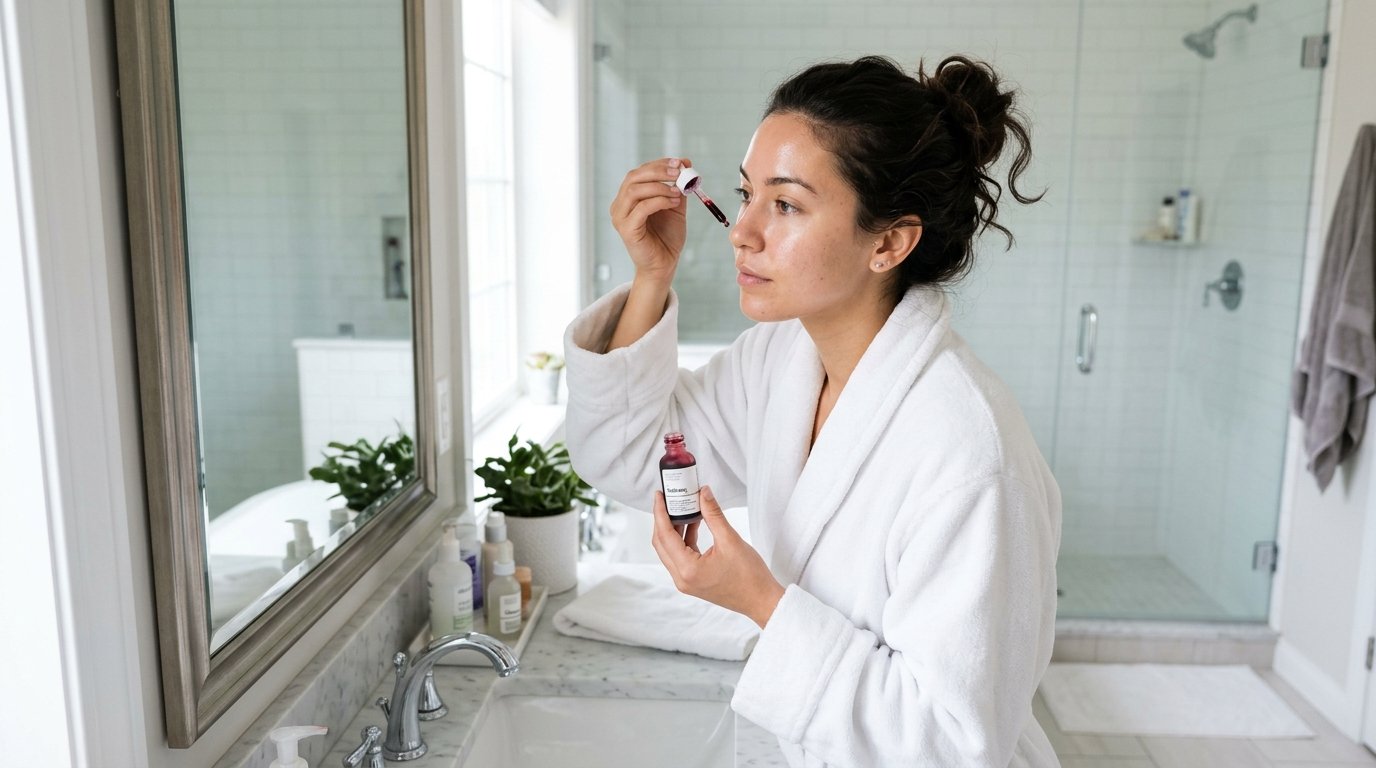
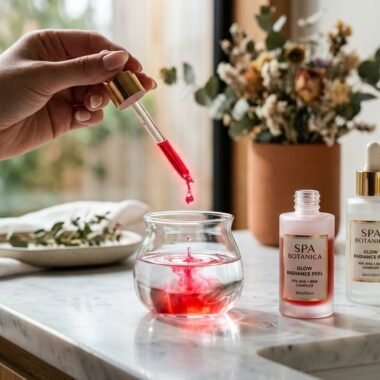
Figure 3: Safely applying chemical exfoliating treatments to facial skin using controlled dropper dispensing and delicate pressing technique.
Fitzpatrick Skin Types: Avoiding Post-Inflammatory Hyperpigmentation (PIH)
For individuals with Fitzpatrick Skin Types IV through VI (olive, brown, and deeply pigmented complexions), selecting between glycolic and salicylic acid is a critical safety consideration:
In melanocyte-dense skin, sudden inflammatory spikes cause melanocytes to over-produce melanin, leaving behind stubborn, disfiguring dark marks known as Post-Inflammatory Hyperpigmentation (PIH). Because glycolic acid has a tiny 76 Da molecular weight, it penetrates the epidermis rapidly and unevenly. If applied at high concentrations (above 10%) or low pH (below 3.5), it can trigger intense localized erythema, which frequently resolves into dark PIH patches.
In stark contrast, salicylic acid is the gold-standard exfoliating acid for skin of color. Its lipophilic nature ensures steady, controlled follicular delivery, while its intrinsic salicylate anti-inflammatory action suppresses melanocyte stimulation. Dermatologists frequently utilize 20% to 30% salicylic acid peels to safely treat melasma and post-acne dark marks in Fitzpatrick IV–VI patients with virtually zero incidence of hyperpigmentation rebound.
Body Applications: KP, Strawberry Legs, and Back Acne
Chemical resurfacing is not confined to facial skincare; both acids excel in resolving common dermatological body concerns:
- Keratosis Pilaris (KP / “Chicken Skin”): Characterized by rough, red or brown follicular plugs on the triceps, thighs, and buttocks. Glycolic acid (10% to 15% body lotion) is the clinical gold standard for KP, dissolving stubborn keratin blockages and smoothing bumpy texture within 2 to 3 weeks of daily application.
- Strawberry Legs (Open Comedones & Dark Pores after Shaving): A combination of trapped keratin and oxidized sebum inside hair follicles. Using a 2% salicylic acid body wash or spray clears the follicular canal, preventing dark pore dots and shaving folliculitis.
- Back & Chest Acne (“Bacne”): Driven by excess sebum, sweat, and friction. Salicylic acid sprays (2% BHA) penetrate clothing and sebum to sterilize pores, clear papules, and eliminate body blemishes without bleaching towels or fabrics.
How to Layer Hydroxy Acids with Retinoids and Vitamin C
One of the most dangerous beginner mistakes in skincare is stacking multiple low-pH or cell-turnover actives simultaneously on the same evening.
The Rule of Skin Cycling: Never Combine on the Same Evening
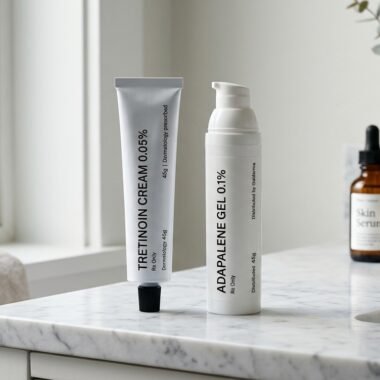
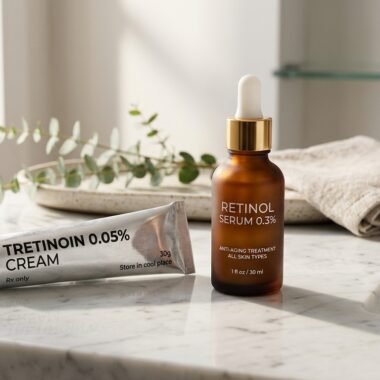
You should never apply glycolic acid or high-strength salicylic acid on the same evening you apply prescription tretinoin or over-the-counter adapalene. Layering chemical exfoliants directly under a retinoid strips the stratum corneum lipid barrier, driving the retinoid too deeply and causing severe chemical-like contact dermatitis. Instead, adopt a dermatological 4-Night Skin Cycling Protocol:
- Night 1 (Exfoliation Night): Apply your Glycolic Acid (for texture/lines) or Salicylic Acid (for pores/acne). Follow with a simple ceramide barrier lotion.
- Night 2 (Retinoid Night): Apply your prescription tretinoin or adapalene following our clinical guidelines on tretinoin vs retinol and adapalene vs tretinoin.
- Nights 3 & 4 (Recovery Nights): Zero exfoliating acids, zero retinoids. Focus entirely on barrier replenishment using squalane, centella asiatica, and copper peptides.
The Morning Pairing: Vitamin C & Sunscreen
Glycolic acid increases photosensitivity to UV radiation by approximately 50% by compacting the stratum corneum. Daily broad-spectrum SPF 50+ mineral or organic sunscreen is non-negotiable. In the morning routine, pairing your sunscreen with a stabilized L-ascorbic acid serum defends against free radicals; explore our clinical recommendations for the 5 best SkinCeuticals C E Ferulic dupes.
Can You Combine Glycolic and Salicylic Acid?
Yes, many advanced cosmetic formulations and clinical peels successfully combine both acids (commonly known as an AHA/BHA complex). This combination provides a complete dual-action resurfacing protocol:
- The Salicylic Acid (0.5%–2%) dives into the follicular pore to dissolve sebum and clear internal comedones.
- The Glycolic Acid (5%–10%) works across the outer surface to dissolve dull dead corneocytes, even skin tone, and accelerate surface radiance.
However, if you purchase separate single-ingredient products, dermatologists recommend alternating them (e.g., salicylic acid toner on Monday and Thursday; glycolic serum on Tuesday and Friday) rather than layering two separate acidic solutions on top of each other, which multiplies cutaneous irritation exponentially.
The Dermatologist Verdict: Which Should You Choose?
Selecting between glycolic acid vs salicylic acid depends on your primary dermatological concern, your oil production level, and your skin barrier sensitivity:
Choose Glycolic Acid (AHA) If:
- Your primary concerns are surface aging: fine lines, crepey skin texture, dull complexion, and sun-induced dark spots.
- You have normal, dry, or mature skin that does not produce excessive midday facial oil.
- You struggle with keratosis pilaris (KP) or “strawberry legs” on the body, where glycolic acid dissolves stubborn keratin plugs effortlessly.
- You want to boost dermal collagen synthesis and skin hydration through increased glycosaminoglycan production.
Choose Salicylic Acid (BHA) If:
- Your primary concerns are follicular: active inflammatory acne, blackheads, whiteheads, enlarged congested pores, and excess sebum.
- You have oily, combination, or acne-prone skin that experiences frequent midday shine.
- You have sensitive, rosacea-prone skin or skin prone to redness that cannot tolerate the tingling of AHAs.
- You have Fitzpatrick skin types IV through VI and need a chemical exfoliant that carries virtually zero risk of provoking post-inflammatory hyperpigmentation.
Frequently Asked Questions (AEO & Voice Search Snippets)
Can I use Glycolic Acid and Salicylic Acid on the same day?
Yes, but not at the exact same moment unless formulated together in a balanced commercial AHA/BHA product. Layering two separate high-strength acid solutions simultaneously causes severe barrier irritation and chemical burns. Dermatologists recommend using Salicylic Acid in the morning (or on alternating evenings) and Glycolic Acid on non-retinoid nights, or following a structured 4-night skin cycling schedule.
Why is Salicylic Acid better for blackheads than Glycolic Acid?
Salicylic acid is oil-soluble (lipophilic), which allows it to penetrate through facial sebum deep into the follicular pore lining to dissolve trapped keratin debris and oxidized oil plugs that form blackheads. Glycolic acid is water-soluble (hydrophilic), meaning it remains on the skin surface and cannot penetrate oily pores effectively.
Does Glycolic Acid make your skin more sensitive to the sun?
Yes, glycolic acid increases photosensitivity to UV radiation by approximately 50% by thinning the dead, light-scattering outer stratum corneum. Daily broad-spectrum SPF 50+ sunscreen is mandatory when using glycolic acid. Salicylic acid, by contrast, does not significantly increase photosensitivity and possesses mild photoprotective properties.
Can I use Salicylic Acid or Glycolic Acid with Tretinoin?
No, you should never apply glycolic or salicylic acid on the same evening as tretinoin. Stacking strong chemical exfoliants with prescription retinoic acid strips the skin’s lipid barrier, triggering severe contact dermatitis, intense peeling, and rebound redness. Separate them using skin cycling (e.g., acid on Night 1, retinoid on Night 2, recovery on Nights 3 and 4).
Which acid is safer for dark skin (Fitzpatrick IV to VI)?
Salicylic acid is significantly safer for darker skin tones. Because salicylic acid possesses intrinsic anti-inflammatory salicylate properties and controlled lipophilic penetration, it carries a very low risk of triggering post-inflammatory hyperpigmentation (PIH). High-strength glycolic acid can penetrate too rapidly, provoking inflammatory erythema that frequently leads to dark pigmentation marks in skin of color.
How often should a beginner use Glycolic Acid?
Beginners should start with a low concentration (5% to 7%) once or twice per week in the evening. As your lipid barrier acclimates over three to four weeks without redness or flaking, you can increase frequency to two or three times per week. Daily application of high-strength glycolic acid is rarely necessary and often leads to chronic micro-inflammation.
Can Salicylic Acid help with cystic hormonal acne?
Salicylic acid helps soothe the inflammation around cystic blemishes and keeps adjacent follicles clear of microcomedones. However, because deep hormonal cysts originate deep in the dermis from hormonal sebocyte stimulation rather than superficial pore clogs, salicylic acid alone is usually insufficient. Pairing BHA with oral medications, topical retinoids, or blue LED light therapy provides superior clinical resolution.
Is Glycolic Acid or Salicylic Acid better for Keratosis Pilaris?
Glycolic acid is generally the superior chemical exfoliant for Keratosis Pilaris (KP) on the arms, thighs, and buttocks. Its microscopic molecular size allows it to aggressively dissolve dense, hardened keratin plugs trapped around hair follicles, smoothing rough ‘chicken skin’ rapidly. Many dermatologists recommend an AHA body lotion containing 10% to 12% glycolic acid for optimal KP clearance.
Medical Editorial Disclaimer: This article is authored by Dr. Waqar for educational, scientific, and informational purposes only and does not constitute formal medical diagnosis or individualized treatment advice. High-strength chemical peels and hydroxy acid solutions should be used with caution; individuals with aspirin allergies should strictly avoid salicylic acid. Always consult a licensed board-certified dermatologist or medical professional before beginning active chemical resurfacing regimens.