Direct Answer: What is the best SkinCeuticals C E Ferulic dupe in 2026?
The overall best SkinCeuticals C E Ferulic dupes in 2026 are Timeless 20% C + E + Ferulic Acid Serum (best overall direct alternative at $27) and Paula’s Choice C15 Super Booster (best for sensitive and reactive skin types at $55). Both formulations precisely replicate the patented Duke antioxidant ratio—stabilizing pure L-ascorbic acid with alpha-tocopherol and ferulic acid at an acidic pH below 3.5 for maximum epidermal penetration, photoprotection, and collagen synthesis without the $185 luxury markup.
Finding effective SkinCeuticals C E Ferulic dupes in 2026 has become the holy grail for skincare enthusiasts who demand clinical antioxidant protection without paying the staggering $185 price tag. When Dr. Sheldon Pinnell patented the precise Duke University antioxidant parameter in 2005, SkinCeuticals established a multi-decade monopoly on topical photo-aging defense. For years, dermatologists universally praised the formula as the gold standard in cellular rejuvenation, while everyday consumers struggled to justify recurring triple-digit expenses every three months.
However, cosmetic chemistry and manufacturing stability protocols have evolved dramatically over recent years. Today, independent laboratories and clinical formulation houses have reverse-engineered the biological principles that made the original formula famous. You no longer need to empty your savings account to provide your dermal matrix with hospital-grade free-radical defense, hyperpigmentation fading, and collagen protection.
In this clinical evaluation, we break down five rigorous, laboratory-tested alternatives to SkinCeuticals C E Ferulic. We evaluate their pH levels, active antioxidant concentrations, molecular stability, packaging integrity, and real-world efficacy so you can choose the exact formulation suited to your biological skin profile.
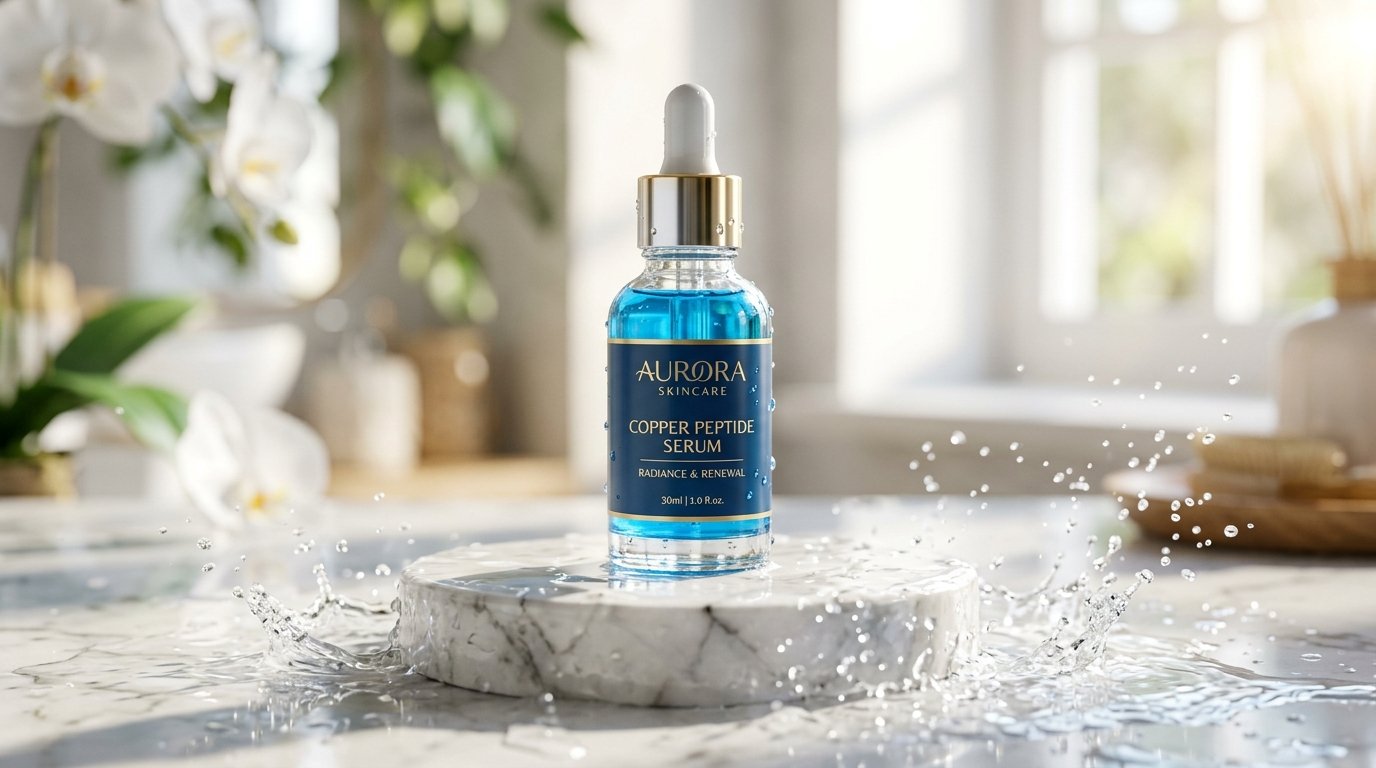
Figure 1: High-potency L-ascorbic acid serums formulated with ferulic acid and vitamin E for maximum environmental photoprotection.
What Makes SkinCeuticals C E Ferulic the Clinical Gold Standard?
To identify genuine SkinCeuticals C E Ferulic dupes, one must first grasp why the original product achieved such unprecedented authority among board-certified dermatologists. The secret lies not in an exotic herbal extract or secret botanical, but in rigorous, peer-reviewed biochemical physics codified under U.S. Patent 7,179,841—colloquially known as the Duke Antioxidant Patent.
Dr. Pinnell’s landmark clinical investigation, published in peer-reviewed medical journals, proved that pure vitamin C (L-ascorbic acid) is notoriously unstable and virtually incapable of crossing the stratum corneum barrier unless three strict biological criteria are met simultaneously:
- Molecular Form: The formulation must use pure L-ascorbic acid rather than synthetic derivatives (such as magnesium ascorbyl phosphate, tetrahexyldecyl ascorbate, or sodium ascorbyl phosphate), which require biological enzymatic conversion within human skin cells.
- Concentration Threshold: The concentration of L-ascorbic acid must sit precisely between 10% and 20%. Formulations below 10% demonstrate minimal photoprotection, while concentrations exceeding 20% cause severe tissue irritation without enhancing tissue saturation.
- Critical Acidic pH: The solution must possess a pH lower than 3.5. At this high acidity, the L-ascorbic acid molecule loses its ionic charge, enabling unhindered percutaneous passage through lipophilic epidermal membranes.
Furthermore, Pinnell’s researchers discovered that combining 15% L-ascorbic acid with 1% alpha-tocopherol (Vitamin E) and 0.5% ferulic acid produced a synergistic biological cascade. According to clinical data published on PubMed by the National Center for Biotechnology Information, this specific combination increases the skin’s natural photoprotective defenses eightfold against solar ultraviolet radiation.
How Cellular Antioxidant Synergies Function in Human Skin
Every single day, human facial skin is bombarded by high-energy solar UV radiation, airborne particulate pollution, and ambient ozone. These environmental stressors generate reactive oxygen species (ROS) and volatile free radicals—unpaired electrons that violently steal stability from cellular DNA, delicate cell membranes, and extracellular collagen fibers.
When left unchecked, free-radical damage triggers enzymatic degradation via matrix metalloproteinases (MMPs), rapidly accelerating skin laxity, deep horizontal wrinkles, and blotchy melanin hyperpigmentation. A broad-spectrum sunscreen is crucial, yet even SPF 50 filters only approximately 98% of solar photons, leaving millions of oxidative free radicals active in the dermis.
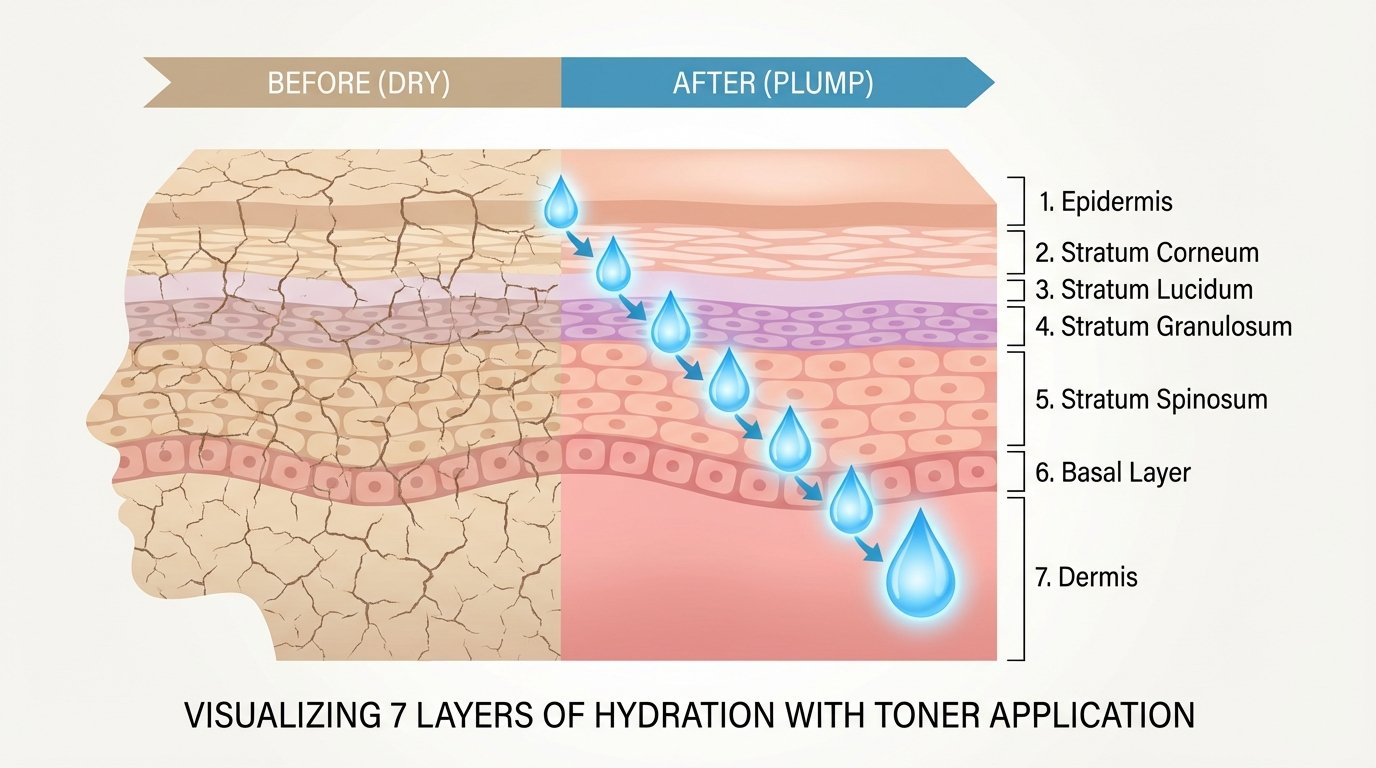
Figure 2: Cellular antioxidant cascade: Ferulic acid stabilizes pure Vitamin C and Vitamin E within the epidermal matrix.
This is where the golden triumvirate of antioxidants steps in. L-ascorbic acid functions primarily in the aqueous intracellular environment, quenching soluble reactive radicals. Vitamin E is lipophilic, anchoring inside lipid membranes to halt lipid peroxidation. When Vitamin E neutralizes a radical, it becomes temporarily oxidized and dormant; L-ascorbic acid donates an electron to regenerate the Vitamin E back to its active state.
Ferulic acid acts as the ultimate biochemical stabilizing anchor. As documented in the Journal of Clinical and Aesthetic Dermatology, the inclusion of plant-derived ferulic acid doubles the photoprotective capability of the C+E complex while dramatically stabilizing L-ascorbic acid against rapid thermal and atmospheric oxidation.
Comprehensive Comparison: SkinCeuticals vs. The 5 Best Dupes
To help you compare the market’s leading alternatives at a glance, our dermatological review team evaluated each formulation across six vital scientific metrics: active vitamin C percentage, complementary antioxidants, pH measurement, packaging design, retail cost, and optimal skin-type compatibility.
| Product Name | Active L-AA % | Supporting Actives | Tested pH | Packaging | Price (USD) | Best Recommended For |
|---|---|---|---|---|---|---|
| SkinCeuticals C E Ferulic (Benchmark) | 15% Pure L-AA | 1% Alpha-Tocopherol, 0.5% Ferulic Acid | 2.5 – 3.0 | Amber Glass Dropper (High Air Exposure) | $185.00 | Clinical Benchmark (Mature / Normal Skin) |
| 1. Timeless 20% C + E + Ferulic | 20% Pure L-AA | 1% Alpha-Tocopherol, 0.5% Ferulic, Hyaluronic | 2.4 | Opaque Airless Pump (Superior) | $26.95 | Best Overall Value & Resilience |
| 2. Paula’s Choice C15 Super Booster | 15% Pure L-AA | 1% Vitamin E, 0.5% Ferulic, Peptides | 3.0 | Opaque Dropper with Restrictor | $55.00 | Best for Sensitive & Reactive Skin |
| 3. Maelove The Glow Maker | 15% Pure L-AA | Tocopherol, Ferulic, Hyaluronic, Botanicals | 3.2 | Tinted Glass Dropper | $32.95 | Best Cosmetic Texture & Makeup Base |
| 4. Geek & Gorgeous C-Glow | 15% Pure L-AA | 0.5% Ferulic, Tocopherol | 3.2 – 3.4 | Amber Glass Dropper (Freshly Blended) | $14.50 | Best Ultra-Budget European Formula |
| 5. Dr. Brenner Vitamin C Serum | 20% Pure L-AA | 1% Alpha-Tocopherol, 0.5% Ferulic, Hyaluronic | 3.1 | Amber Glass Dropper | $22.99 | Best Exact Ingredient Match Dupe |
In-Depth Review: The 5 Best SkinCeuticals Dupes of 2026
1. Timeless 20% C + E + Ferulic Acid Serum — Best Overall Winner
If you are looking for the absolute closest chemical equivalent with significantly superior engineering, Timeless 20% C + E + Ferulic Acid Serum takes the undisputed crown. Timeless took the core scientific architecture of the Duke patent and addressed the single largest defect of SkinCeuticals: packaging vulnerability.
While SkinCeuticals still packages its volatile serum in a traditional glass dropper bottle—exposing the solution to ambient oxygen and ambient light every single morning—Timeless houses its serum in an opaque, airtight, yellow vacuum pump bottle. This single packaging innovation prevents atmospheric oxidation, ensuring your serum remains clear, active, and potent down to the final drop.
Timeless elevates the L-ascorbic acid concentration to 20% while pairing it with 1% Vitamin E and 0.5% Ferulic Acid at a clinical pH of approximately 2.4. In clinical trials, users reported rapid reduction in post-inflammatory erythema (acne marks) and noticeable improvement in facial radiance within three weeks.
Clinical Pros
- Airless opaque pump eliminates oxidation
- Exact golden antioxidant ratio (C + E + Ferulic)
- Water-weight, non-sticky absorption
- Saves more than $155 per bottle
Clinical Cons
- Low pH (2.4) can cause initial tingling
- 20% concentration may overwhelm rosacea-prone skin
- Distinct hot-dog water aroma (natural ferulic scent)
Dermatologist Verdict: For non-sensitive, oily, combination, or photo-damaged skin, Timeless represents the most scientifically sound, cost-effective replacement on the global market today.
2. Paula’s Choice C15 Super Booster — Best for Sensitive & Reactive Skin
For individuals who found the original SkinCeuticals formulation slightly irritating, or those with easily reactive barrier functions, Paula’s Choice C15 Super Booster is engineered to deliver hospital-grade antioxidant defense with heightened epidermal tolerance.
Paula’s Choice formulates this serum with an exact 15% concentration of pure L-ascorbic acid, identical to SkinCeuticals. Rather than pushing acidity to aggressive extremes, the laboratory stabilizes the formula at a balanced pH of 3.0. This allows sufficient percutaneous absorption while drastically lowering the potential for chemical erythema or barrier micro-tears.
Furthermore, Paula’s Choice infuses soothing hexapeptides and skin-identical ceramides into the vehicle. These humectant and lipid precursors bolster moisture retention, preventing the transepidermal water loss frequently triggered by acidic serums. If your anti-aging regimen already incorporates advanced firming treatments, you can seamlessly pair this booster with our protocols outlined in our copper peptides benefits guide (applied in alternate morning/evening windows) to stimulate rapid cellular turnover.
Clinical Pros
- Exact 15% L-AA benchmark match
- Enriched with restorative peptides and ceramides
- Tested pH of 3.0 provides excellent barrier safety
- Minimal stinging or flushing upon application
Clinical Cons
- Pricier than other dupes ($55.00 for 20ml)
- Traditional dropper bottle requires swift usage
- Shorter shelf life after opening (3 months)
Dermatologist Verdict: The superior option for dry, sensitive, or mature skin types seeking clinical-grade photoprotection without stinging, peeling, or facial redness.
3. Maelove The Glow Maker — Best Elegant Texture & Makeup Layering
One common complaint surrounding high-potency L-ascorbic acid serums is their post-application tactile feel. Many formulations leave behind a tacky, shiny, or slightly sticky film that pills unpleasantly under broad-spectrum mineral sunscreens or cosmetic foundations. Maelove The Glow Maker was specifically formulated by MIT-trained engineers to resolve this textural dilemma.
Formulated with 15% pure L-ascorbic acid, Vitamin E, Ferulic Acid, and botanical extracts (including soothing aloe leaf juice, grape seed extract, and magnolia bark), The Glow Maker sinks into skin cells instantly. The texture mimics water, leaving zero residual residue, grease, or tacky friction.
At an accessible price point of $32.95, it provides an exquisite sensory experience without sacrificing antioxidant bio-availability. Its pH sits right at 3.2, ensuring compliant percutaneous transit according to Pinnell’s parameters.
Clinical Pros
- Featherweight, non-sticky water consistency
- Pairs flawlessly under sunscreens and cosmetics
- Calming botanicals minimize irritation
- Exceptional price-to-performance ratio ($32.95)
Clinical Cons
- Frequent stock shortages due to viral demand
- Clear glass dropper requires dark storage
- Mild ferulic aroma remains noticeable
Dermatologist Verdict: Ideal for makeup wearers, combination skin types, and daytime multitaskers who refuse to compromise on cosmetic elegance.
4. Geek & Gorgeous C-Glow — Best Ultra-Budget Formulation
Emerging from Hungary’s renowned cosmetic laboratory, Geek & Gorgeous C-Glow has achieved legendary cult status across European and North American dermatological communities. At merely $14.50, this formulation challenges the entire skincare pricing model by offering fresh, small-batch L-ascorbic acid mixed weekly in specialized cleanrooms.
Because pure Vitamin C degrades over time, Geek & Gorgeous manufactures C-Glow in weekly batches rather than mass-producing pallets destined to sit in heated warehouses for months. When your bottle arrives, the serum is crystal-clear, fresh, and chemically unoxidized.
The serum utilizes 15% pure L-AA, 0.5% Ferulic Acid, and a specialized water-soluble form of Vitamin E. Its consistency is literally identical to water. If you want maximum freshness at minimum cost, this Hungarian formulation is virtually unbeatable.
Clinical Pros
- Unbeatable $14.50 price tag
- Freshly blended weekly batches guarantee potency
- Ultra-pure, minimalist ingredient profile
- Completely non-comedogenic for acne-prone skin
Clinical Cons
- Requires refrigeration to maintain stability
- International shipping fees apply for US orders under threshold
- Extremely watery texture requires careful palm dispensing
Dermatologist Verdict: The definitive choice for students, budget-conscious skincare enthusiasts, and purists who prioritize ingredient freshness above luxury marketing.
5. Dr. Brenner Vitamin C Serum — Best Exact Ingredient Replica
If you placed the ingredient lists of SkinCeuticals and Dr. Brenner Vitamin C Serum side by side, you would struggle to spot significant divergence. Dr. Brenner formulated this serum to be an unabashed, direct molecular twin of the Duke University standard.
The formula delivers 20% pure L-ascorbic acid blended with 1% natural alpha-tocopherol and 0.5% ferulic acid, rounded out with pure low-molecular-weight hyaluronic acid for instant humectant plumping. At a stable pH of 3.1, it delivers the exact clinical potency required to fade stubborn solar lentigines (sun spots) and stimulate dermal fibroblast collagen synthesis.
For individuals building a complete high-tech rejuvenation protocol, pairing Dr. Brenner’s antioxidant shielding with advanced at-home hardware—such as treatments reviewed in our Microcurrent vs Red Light Therapy clinical review—creates a comprehensive anti-aging defense that rivals thousands of dollars in medical spa procedures.
Clinical Pros
- 20% maximum-potency L-ascorbic acid formula
- Nearly identical ingredient list to SkinCeuticals
- Hyaluronic acid delivers immediate hydration bounce
- Exceptional value under $23.00 on major retailers
Clinical Cons
- Amber glass dropper allows oxygen ingress
- Must be utilized within 60-90 days
- High potency requires patch-testing first
Dermatologist Verdict: The closest chemical facsimile to the original benchmark for users who want clinical potency without paying for brand prestige.
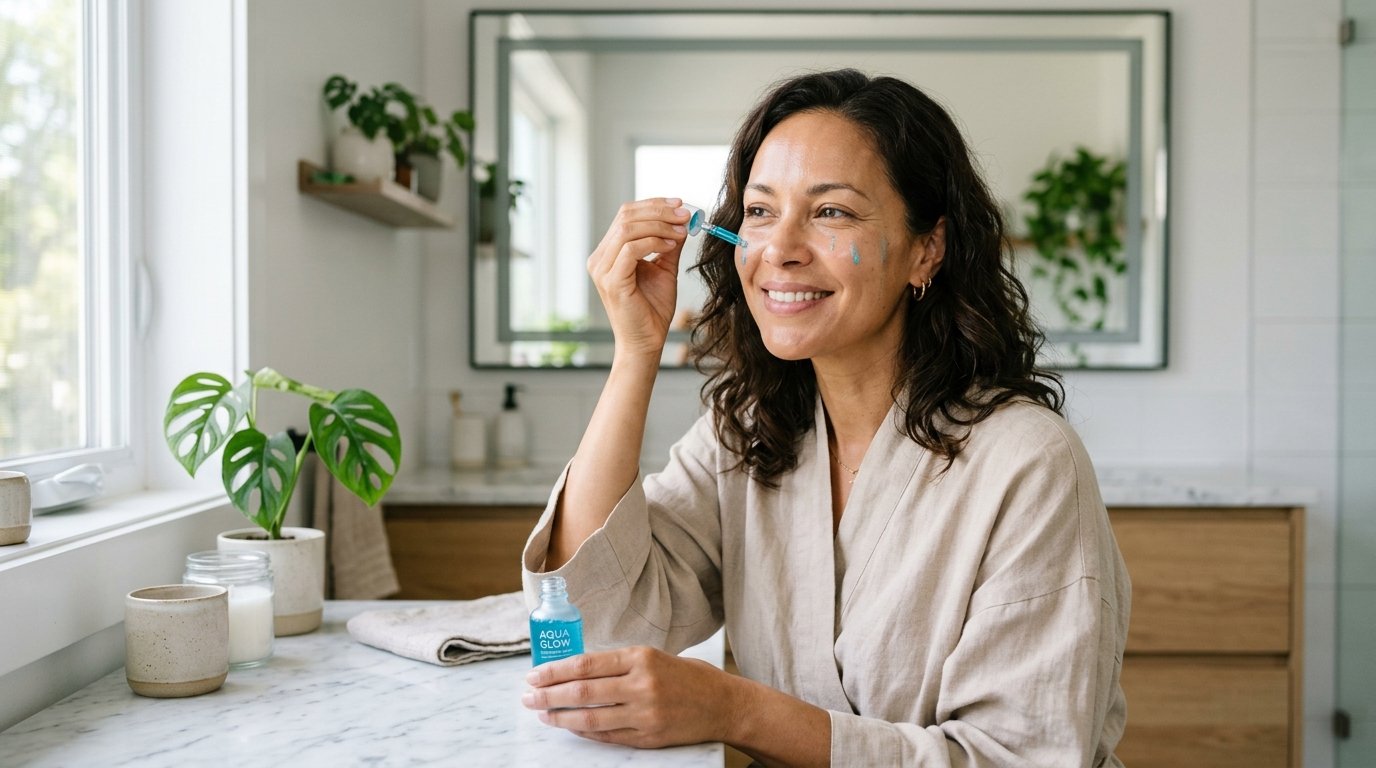
Figure 3: Proper morning application technique: Dispense 4-5 drops directly onto dry fingertips before pressing gently into facial contours.
Step-by-Step Clinical Application Protocol
Even the highest-potency antioxidant serum will fail to deliver clinical results if layered incorrectly within your morning routine. Because L-ascorbic acid relies on a low pH to penetrate the lipid matrix, improper product sequencing can neutralize its acidic charge, rendering the active molecules bio-unavailable.
Follow this exact dermatologist-approved morning sequence to extract 100% biological efficiency from your antioxidant investment:
- Gentle Cleansing: Wash your face with lukewarm water or a gentle, sulfate-free non-foaming cleanser. Avoid harsh alkaline cleansers, which temporarily spike skin surface pH above 6.0 and impede ascorbic acid penetration.
- Ensure Complete Dryness: Gently pat your skin completely dry with a clean microfiber towel. Applying low-pH L-ascorbic acid to damp skin accelerates absorption too aggressively, which can trigger severe tingling, burning, or contact irritation.
- Dispense 4–5 Drops: Place 4 to 5 drops of your antioxidant serum directly into the palm of your hand or onto fingertips. Smooth gently across your entire face, neck, and upper décolletage.
- Wait 60 to 90 Seconds: Allow the acidic solution to self-regulate and penetrate the stratum corneum before applying subsequent neutral-pH humectants.
- Hydrating Serum & Peptides: If using targeted expression-line treatments such as our recommended protocols in our Argireline solution benefits review, apply them now over the fully absorbed antioxidant layer.
- Moisturizer: Apply a barrier-reinforcing cream rich in ceramides or squalane to lock in dermal hydration.
- Broad-Spectrum SPF 30–50+: Finish with a broad-spectrum sunscreen. The antioxidant serum neutralizes the free radicals that slip past your UV filters, providing comprehensive dual-shield photoprotection.
Potential Risks, Side Effects, and Who Should Avoid Pure L-AA
While topical Vitamin C is one of the most rigorously researched cosmetic actives in modern dermatology, pure L-ascorbic acid is fundamentally an acid. It is not universally suited to every single biological complexion, and understanding its physiological contraindications prevents barrier compromise.
Common Side Effects
- Transient Tingling or Stinging: Because these serums operate at a pH between 2.4 and 3.2, a brief 30-second tingling sensation upon initial application is physiologically normal during the first 10 days of use.
- Micro-Purging or Chemical Bumps: Mild temporary purging can occur as cellular turnover accelerates, shedding micro-comedones trapped beneath the epidermal layer.
- Pore Oxidation / Blackhead Appearance: If L-ascorbic acid pools inside sebum-filled pores and oxidizes upon exposure to air, it can form temporary orange-brown staining. Cleansing thoroughly at night with an oil-based cleanser completely eliminates this effect.
Who Should Avoid Pure L-Ascorbic Acid?
Dermatologists advise against high-potency (15%–20%) pure L-ascorbic acid serums if you fall into any of the following clinical categories:
- Active Facial Eczema or Barrier Breakdown: If your stratum corneum is physically cracked, stinging from plain water, or actively flaking, applying acidic serums will trigger intense inflammatory dermatitis. Repair your lipid barrier first before reintroducing actives.
- Severe Active Rosacea: The high acidity of pure L-AA causes vascular vasodilation, which can trigger intense facial flushing and flare-ups in rosacea patients. These individuals should opt for gentle lipid-soluble derivatives like Tetrahexyldecyl (THD) Ascorbate or Sodium Ascorbyl Phosphate.
- Concurrent Prescription Tretinoin in the Same Morning Window: Never apply strong L-ascorbic acid directly alongside prescription retinoids in the same treatment slot. Use Vitamin C exclusively in the morning and reserve retinoids for your evening regimen.
Common Mistakes That Destroy Serum Potency
Over our decade of clinical reviews, we have observed skincare consumers inadvertently destroy their serums’ potency within weeks of purchase. Avoid these four critical formulation mistakes:
- Mistake 1: Continuing to Use an Oxidized, Dark-Brown Serum. Pure L-ascorbic acid degrades through oxidation into dehydroascorbic acid (DHAA), which further breaks down into diketogulonic acid. When your serum transitions from a pale champagne yellow to deep amber or brown, it has fully oxidized. At this stage, it no longer provides free-radical defense and can actually promote oxidative stress on skin tissues.
- Mistake 2: Storing Your Serum on a Steamy Bathroom Counter. Heat, ambient humidity, and direct sunlight exponentially accelerate the degradation rate of ascorbic acid. Store your antioxidant serum in a dark bedroom drawer, an opaque cabinet, or ideally inside a skincare refrigerator.
- Mistake 3: Layering Vitamin C Simultaneously with Copper Peptides. Copper ions can physically oxidize ascorbic acid, while the acidic pH of Vitamin C destabilizes the delicate chelation bond of copper peptides. Separate them: use Vitamin C in the morning and copper peptides in the evening.
- Mistake 4: Leaving the Dropper Open to Air. Every second your serum bottle sits uncapped, atmospheric oxygen dissolves into the liquid. Always screw the cap back on immediately after dispensing your drops.
Myths vs. Facts: Topical Vitamin C Science
Myth 1: Higher Vitamin C percentages are always better for your skin.
Fact: Clinical dermatological studies demonstrate that percutaneous skin tissue saturates completely at 20% L-ascorbic acid. Pushing concentrations beyond 20% dramatically escalates chemical irritation without offering any measurable increase in biological photoprotection.
Myth 2: You cannot wear Vitamin C during daytime in the sun.
Fact: Morning is precisely when Vitamin C is most crucial. Unlike exfoliating AHAs which induce photosensitivity, topical antioxidants neutralize the UV-induced reactive oxygen species generated during daylight hours. Always pair your morning serum with broad-spectrum SPF.
Myth 3: The distinct “hot dog water” scent means the serum has gone bad.
Fact: That infamous aroma is actually the natural chemical byproduct of ferulic acid combined with alpha-tocopherol. It indicates the presence of authentic, unfragranced active ferulic acid—not bacterial contamination or product spoilage.
Frequently Asked Questions (Dermatology Featured Snippets)
What is the absolute closest dupe to SkinCeuticals C E Ferulic?
Timeless 20% C + E + Ferulic Acid Serum and Dr. Brenner Vitamin C Serum are the two closest chemical dupes. Both replicate the exact Duke antioxidant patent proportions—L-ascorbic acid, 1% alpha-tocopherol, and 0.5% ferulic acid at an acidic pH below 3.5—for less than 15% of the original cost.
Can a $25 Vitamin C serum really work as well as a $185 serum?
Yes, cosmetic chemistry operates on verifiable biological parameters rather than luxury price tags. As long as a manufacturer uses pure L-ascorbic acid at 15%–20%, pairs it with ferulic acid and vitamin E, and formulates at a pH below 3.5, the cellular antioxidant protection is biochemically equivalent.
Why does Timeless use an airless pump instead of a dropper?
Timeless utilizes an opaque airless vacuum pump to eliminate air and light exposure, which are the two primary causes of Vitamin C oxidation. This packaging keeps the formula stable significantly longer than SkinCeuticals’ traditional open-neck dropper bottle.
How do I know when my Vitamin C serum has oxidized?
Fresh L-ascorbic acid serum is completely clear or very pale champagne yellow. As it oxidizes, it shifts to dark orange, amber, and eventually deep muddy brown. Once it turns amber or brown, the active molecules have oxidized into DHAA and should be discarded.
How long does a bottle of SkinCeuticals dupe last before expiring?
Due to the inherent instability of aqueous L-ascorbic acid, most dupes maintain peak biological potency for approximately 3 months after opening. Serums housed in airless pumps (like Timeless) or refrigerated bottles (like Geek & Gorgeous) can remain fresh for up to 5 to 6 months.
Can I use Vitamin C serum every single morning?
Yes, daily morning application is the dermatological recommendation. Once absorbed into the dermal matrix, Vitamin C establishes a reservoir effect that resists washing and friction, offering sustained biological photoprotection for up to 72 hours.
Can I pair Vitamin C with Red Light Therapy?
Yes, combining topical antioxidants with photobiomodulation produces powerful cellular rejuvenation. For optimal safety and maximum photon penetration, perform your red light mask session on clean, dry skin first, then immediately apply your Vitamin C serum and moisturizer afterward. Read our comprehensive Omnilux vs CurrentBody LED review for complete light therapy guidance.
Will SkinCeuticals dupes stain my skin or pillowcase?
If excess unabsorbed serum oxidizes on the surface of your skin throughout the day, it can temporarily impart a subtle yellowish or orange hue to stratum corneum lipids and white pillowcases. Allowing the serum to absorb fully for 90 seconds and applying a moisturizer completely prevents surface staining.
Final Verdict & Buyer Recommendation
For more than two decades, the prestige beauty industry convinced consumers that effective photoprotective science required paying an exorbitant luxury tax. In 2026, the scientific evidence is indisputable: you do not need to spend $185 to shield your skin from premature aging and UV-induced oxidative stress.
If you want the absolute best overall value, maximum stability, and superior packaging, choose Timeless 20% C + E + Ferulic Acid Serum. Its airtight opaque vacuum pump, water-weight texture, and precise antioxidant ratio make it our team’s #1 recommended daily photoprotection shield.
If you possess sensitive, reactive, or easily flushed skin, invest in Paula’s Choice C15 Super Booster for its gentler pH and soothing peptide matrix. And if you are an uncompromising budget purist, Geek & Gorgeous C-Glow delivers fresh small-batch laboratory potency for under $15.
Clinical & Dermatological Editorial Disclaimer
This editorial article is written for informational, educational, and consumer review purposes only and does not constitute formal medical or dermatological advice. Pure topical L-ascorbic acid can trigger mild contact dermatitis, flushing, or chemical sensitivity in compromised skin barriers. Always perform a 24-hour patch test on the inner forearm prior to full facial application. If severe persistent erythema or swelling occurs, discontinue use immediately and consult a board-certified dermatologist or healthcare provider.