
Are you dieting and exercising but still can’t lose that stubborn “pooch” on your lower stomach? You might be doing the wrong kind of workout. In 2026, experts are revealing that for many people, the problem isn’t fat—it’s your nervous system.
If you are constantly stressed, your body is stuck in “Fight or Flight” mode. This floods your system with Cortisol, causing your body to hold onto fat around the midsection as a survival mechanism. This is known as “Cortisol Belly.”
The solution? Somatic exercises for nervous system regulation. Unlike HIIT or running, which add stress to the body, somatic movements are designed to release stored trauma and switch your body back to safety mode.
In this comprehensive 1600-word guide, we explore the science of stored trauma and the ultimate somatic exercises for nervous system health to flatten your tummy and calm your mind.
What Are Somatic Exercises?
Somatic exercises are slow, gentle movements that focus on the internal experience of the movement rather than the external appearance.
- Traditional Exercise: Focuses on how many reps you can do or how much weight you can lift.
- Somatic Exercise: Focuses on how the movement feels. It retrains the brain-to-muscle connection.
The goal is to release muscular tension that has become chronic due to stress. When you release this tension, you lower cortisol, which in turn signals your body that it is safe to burn fat.
The Science: Why Your Body Holds Trauma
You have probably heard the phrase “The Body Keeps the Score.” It is scientifically true. When you experience stress (a bad email, a traffic jam, or past trauma), your body tenses up. If you don’t release that energy, it gets trapped in your muscles—specifically the Psoas Muscle (the hip flexor).
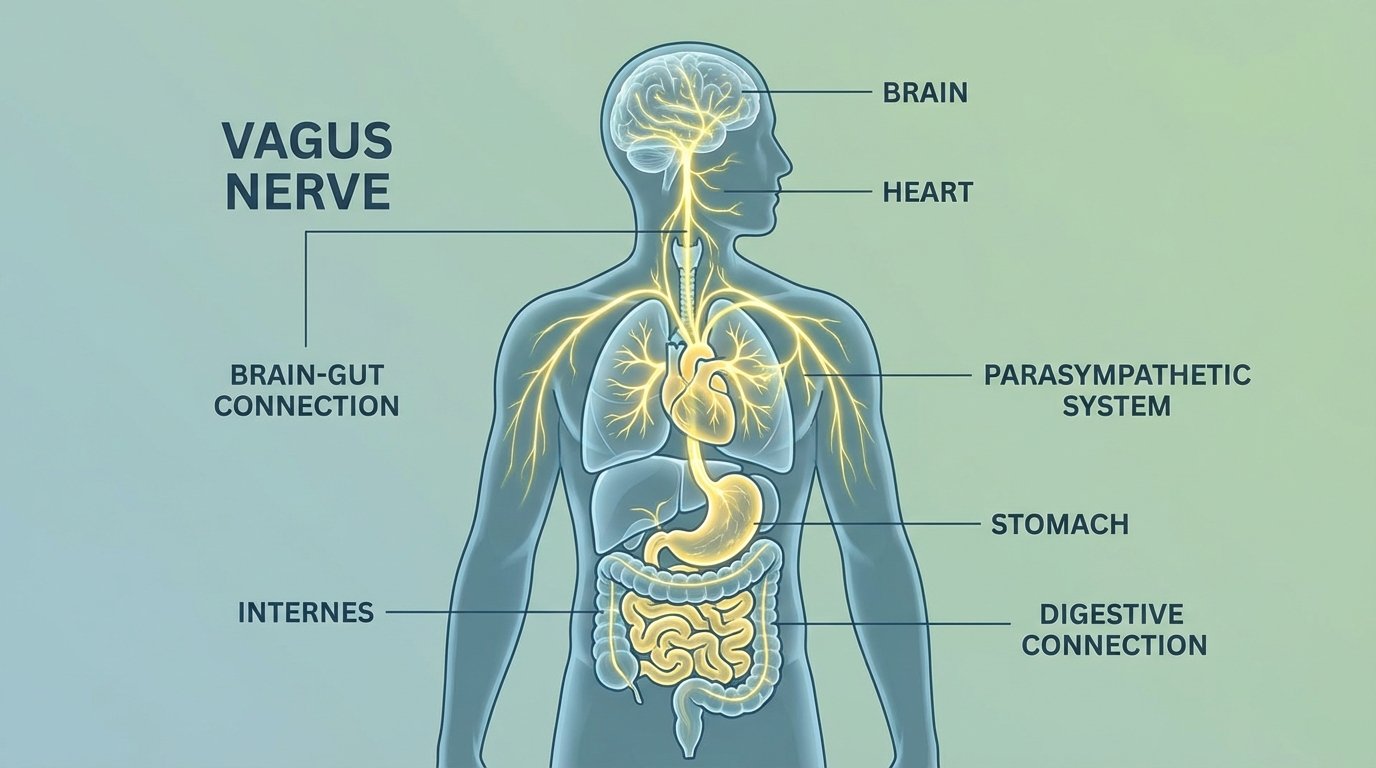
This is why performing somatic exercises for nervous system regulation is so effective. It targets the Vagus Nerve. According to Psychology Today, regulating the nervous system is the key to unlocking physical and emotional healing.
Top 5 Somatic Exercises for Nervous System Regulation
You don’t need gym clothes. You can do these in your pajamas. Here is the ultimate routine to lower cortisol.
1. The Hip Release (Psoas Release)
The Psoas muscle is the “trash can” for emotional stress.
- How: Lie on your back. Bend your knees, feet flat on the floor. Place a yoga block or rolled towel under your sacrum (tailbone). Let your hips hang heavy.
- Action: Slowly extend one leg straight out. Breathe deeply into your belly. Hold for 2 minutes. Switch legs.
- Feeling: You might feel a fluttering sensation or an urge to cry. This is normal trauma release.
2. Pandiculation (The “Yawn” for Muscles)
This is what cats do when they wake up. It resets the resting length of your muscles.
- How: Lie on your back. Contract a muscle group tight (e.g., squeeze your shoulders to your ears). Hold for 5 seconds.
- Release: Slowly release the tension over a count of 10. Do not just flop; control the release.
- Why: It teaches your brain to stop holding chronic tension in your neck and shoulders.
3. Somatic Shaking (The Trauma Release)
Animals shake after they escape a predator to discharge the adrenaline. Humans have forgotten how to do this.
- How: Stand up with feet hip-width apart. Start bouncing on your heels. Let your hands, shoulders, and jaw flop loosely. Shake your whole body vigorously for 2-3 minutes.
- Why: It is the fastest way to discharge nervous energy and reset the somatic exercises for nervous system loop.

4. The Vagus Nerve Ear Massage
Your Vagus nerve passes through your ear. Stimulating it can instantly lower your heart rate.
- How: Place your index finger in the hollow part of your ear (above the canal). Gently massage in circles while looking to the right with your eyes only (keep head straight). Hold until you swallow, sigh, or yawn. Repeat looking left.
5. Constructive Rest
- How: Lie on your back, knees bent, feet flat on the floor (wider than hips), and let your knees knock together. Place hands on your belly.
- Action: Just breathe. Focus on the rise and fall of your stomach. Do this for 10 minutes daily.
Somatics vs. Yoga vs. Pilates: What’s the Difference?
| Feature | Somatics | Yoga | Pilates |
|---|---|---|---|
| Goal | Nervous System Reset | Spiritual/Flexibility | Core Strength |
| Movement | Slow, micro-movements | Static poses / Flow | Controlled reps |
| Effort | 10% Effort | 50-80% Effort | 70-90% Effort |
| Best For | Chronic Pain/Stress | Flexibility | Toning/Strength |
Verdict: Do Wall Pilates for muscle toning, and do Somatic Exercises for stress relief and recovery.
How Somatics Cures “Cortisol Belly”
High cortisol keeps your blood sugar high, leading to insulin resistance and belly fat storage.
By performing somatic exercises for nervous system health:
- You Lower Cortisol: This stops the fat storage signal.
- You Improve Digestion: Being in “Rest and Digest” mode reduces bloating.
- You Sleep Better: Deep sleep is when fat burning happens.
According to the Cleveland Clinic, managing stress is as important as diet for reducing abdominal fat.
When Should You Do These?
- Morning: Do the “Shaking” to wake up your body.
- After Work: Do the “Pandiculation” to release desk posture tension.
- Before Bed: Do the “Hip Release” to ensure deep sleep.
Frequently Asked Questions (FAQs)
Does this actually burn calories?
No, and that’s the point. Somatic exercises are not about burning calories; they are about lowering the hormones that prevent you from burning calories. Think of it as “unlocking” your metabolism.
Can it make me cry?
Yes. It is very common to have an “Emotional Release” (crying, laughing, or shivering) when releasing stored trauma from the hips or chest. Let it happen; it is healing.
How long does it take to see results?
Most people feel a mental shift immediately. For physical changes (like a flatter stomach from reduced bloating and cortisol), commit to a daily practice for 30 days.
Is it safe for injuries?
Yes, somatic exercises for nervous system regulation are extremely gentle and are often used in physical therapy for chronic pain and injury recovery.
Conclusion: Healed Nervous System = Healed Body
In a world that tells us to “push harder,” somatic exercises invite us to “soften.” If you have been struggling to lose weight despite doing everything right, your nervous system might be the missing piece of the puzzle.
By incorporating these somatic exercises for nervous system health into your routine, you are not just exercising; you are telling your body that it is safe to let go of the weight.
- Shake it out.
- Breathe it out.
- Release the tension.
To support your stress reduction journey from the inside, consider adding Ashwagandha to your diet, which is clinically proven to lower cortisol levels alongside these exercises.
Disclaimer: This content on Mediglamhub is for informational purposes only. Consult a doctor or trauma-informed therapist before starting somatic work if you have a history of severe trauma.