Are you looking for a science-backed way to stop thinning and promote regrowth? If you have researched hair loss treatments in 2026, you have likely come across derma rolling for hair loss. It sounds intimidating—rolling hundreds of tiny needles over your scalp—but the results are undeniable.
Also known as Microneedling, this technique was once only available in expensive dermatology clinics. Now, you can do it at home for a fraction of the price. But is it safe? And does it actually work?
In this comprehensive 1300-word guide, we break down the science, the correct needle size (this is crucial!), and the exact routine to master derma rolling for hair loss safely.
What is Derma Rolling?
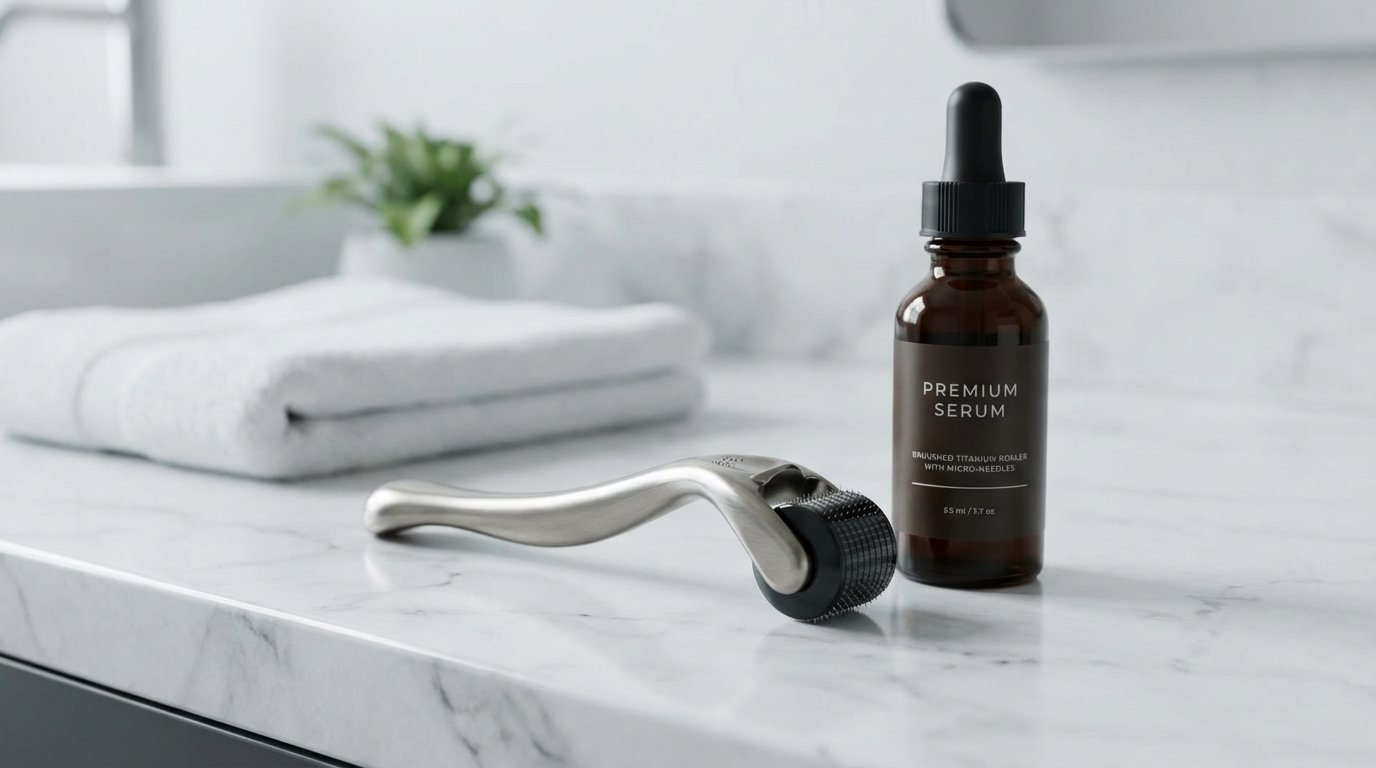
A Derma Roller is a small handheld device with a handle and a rolling drum covered in hundreds of tiny medical-grade needles. When rolled over the skin, it creates microscopic punctures.
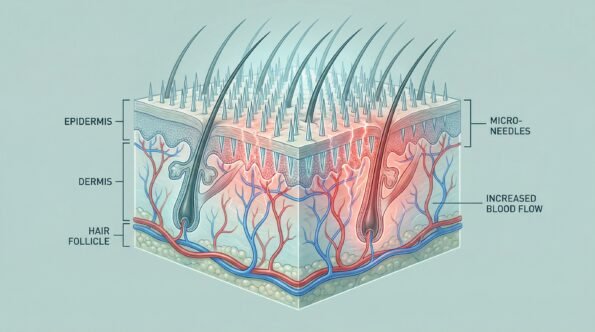
It might sound painful, but when done correctly for derma rolling for hair loss, it shouldn’t hurt. These micro-injuries trigger the body’s natural healing mechanism, rushing blood, collagen, and growth factors to the scalp.
How Does Microneedling Regrow Hair? (The Science)
It is not magic; it is biology. Derma rolling for hair loss works through two main mechanisms:
1. Collagen and Stem Cell Induction
When you create a micro-injury, your body panic-heals the area. This stimulates the production of collagen and stem cells in the hair follicle. According to a landmark study by the National Institutes of Health (NIH), men who combined microneedling with Minoxidil saw 4x more hair growth than men using Minoxidil alone.
2. Absorption Boost
Your scalp is a thick barrier. Most hair oils and serums sit on top and never reach the follicle. The tiny holes created by the roller act as channels, allowing treatments like Rosemary Oil or Minoxidil to penetrate deep into the dermis where hair grows.
Picking the Right Needle Size (Crucial!)
This is where most people fail. Using the wrong size can either be useless or dangerous.
- 0.25mm – 0.3mm: Too Small. These only help with product absorption. They do not stimulate growth factors.
- 0.5mm – 1.0mm: The Sweet Spot. This is the perfect size for derma rolling for hair loss at home. It reaches the hair follicle without causing scarring.
- 1.5mm+: Danger Zone. Needles this long should only be used by professionals. Using them at home risks infection and scarring.
Recommendation: Start with a 0.5mm Derma Roller with Titanium needles (they stay sharper longer than stainless steel).
Step-by-Step: How to Use a Derma Roller
Do not just start rolling wildly. Hygiene is critical to prevent infection. Follow this weekly routine:
Step 1: Sanitize (Never Skip This)
Soak your derma roller in 70% Isopropyl Alcohol for 5-10 minutes. Let it air dry. Never use a dirty roller.
Step 2: Wash Your Hair
You must have a clean scalp. Shampoo your hair to remove dirt, oil, and sweat. Do not roll on a dirty scalp, or you will push bacteria into your skin.
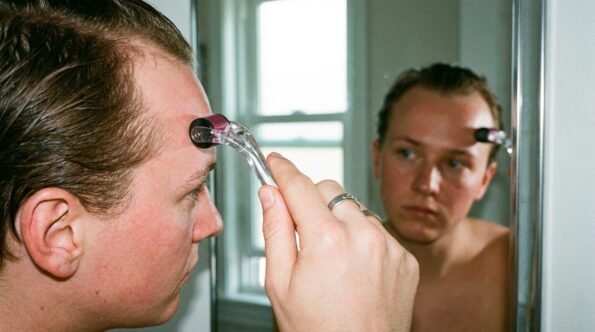
Step 3: The Rolling Technique
- Part your hair to expose the thinning area.
- Apply gentle pressure (do not draw blood).
- Roll 4-5 times vertically, then 4-5 times horizontally, then diagonally.
- Lift the roller after each pass; do not drag it across the skin.
Step 4: Apply Treatment
Now that the channels are open, apply your growth serum.
- Medical Option: Minoxidil (Rogaine). Warning: It will absorb much stronger, so it may sting.
- Natural Option: Apply a few drops of Mielle Rosemary Mint Oil or diluted essential oils.
Step 5: Clean Again
Rinse the roller with hot water and soak it in alcohol again before storing it.
Frequency: How Often Should You Roll?
More is not better! Derma rolling for hair loss causes micro-trauma. Your scalp needs time to heal and grow.
- 0.5mm Roller: Use Once a Week.
- 1.0mm Roller: Use Once every 2 Weeks.
If you roll every day, you will cause scar tissue, which will permanently kill your hair follicles. Patience is key.
What to Pair with Derma Rolling
To maximize derma rolling for hair loss, you need to feed the follicles while they heal.
- Rosemary Oil: As discussed in our Best Hair Growth Oils guide, Rosemary oil is a natural DHT blocker. Applying it after rolling supercharges its effects.
- Rice Water: Use a Rice Water Rinse on the days you don’t microneedle to strengthen the hair shaft.
- Collagen: Drink Collagen Smoothies to provide the raw materials your body needs to repair the scalp.
Common Mistakes to Avoid
- Sharing Rollers: Never share your roller. It involves blood and fluids. It is a biohazard.
- Rolling on Acne: If you have active scalp acne or psoriasis, do not roll over it. It will spread bacteria.
- Not Replacing the Roller: Needles get dull. Replace your derma roller every 2-3 months. Dull needles tear the skin instead of puncturing it.
Frequently Asked Questions (FAQs)
Does it hurt?
A 0.5mm roller feels like a prickly massage or Velcro pressing on your skin. It is uncomfortable but should not be painful. If it hurts, you are pressing too hard.
Does it cause shedding?
Some people experience temporary “shedding” when they start. This is actually a good sign—it means weak, thin hairs are falling out to make room for stronger, thicker hairs.
Can women use it?
Yes! Derma rolling for hair loss is effective for both male pattern baldness and female traction alopecia (thinning edges).
Should I bleed?
No. Pinpoint bleeding is acceptable with deeper medical needles (1.5mm), but for home use (0.5mm), you should only see redness (erythema), not blood.
Conclusion: Is It Worth It?
Derma rolling for hair loss is the single most effective at-home treatment available in 2026. It bridges the gap between natural oils and surgical transplants.
While it requires consistency and strict hygiene, the results—thicker, denser hair—are worth the effort.
- Start small: Get a 0.5mm roller.
- Be clean: Sanitize every time.
- Pair it: Use Minoxidil or Rosemary Oil immediately after.
Your hair follicles aren’t dead; they are just sleeping. It’s time to wake them up.
Disclaimer: This content on Mediglamhub is for informational purposes only. Consult a dermatologist before starting microneedling, especially if you have skin conditions.