You eat a healthy meal, but 30 minutes later, you look six months pregnant. Your pants feel tight, your stomach hurts, and you feel sluggish. If this sounds familiar, you are likely dealing with chronic bloating.
In 2026, gut health is the #1 wellness trend for a reason. Scientists have discovered that your gut is your “Second Brain.” When your gut bacteria are out of balance, bloating is the first warning sign.
The good news? You can fix it. The solution often lies in taking the best probiotics for bloating. But with thousands of options on the market, how do you choose? In this comprehensive 1200-word guide, we break down the specific strains, brands, and foods that actually flatten your tummy.
Why Do You Get Bloated? (The Science)
Before buying supplements, it is important to understand why you are bloating. It is usually not about fat; it is about gas.
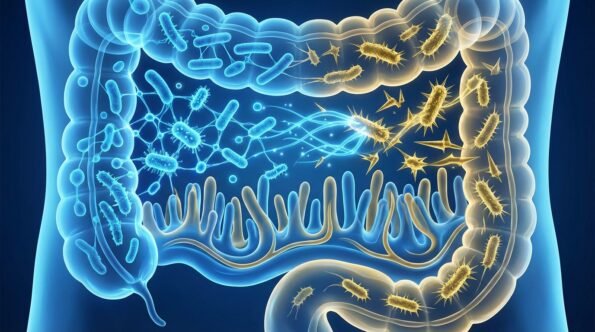
Your gut is home to trillions of bacteria (The Microbiome).
- Good Bacteria: Digest food efficiently and keep inflammation down.
- Bad Bacteria: Ferment food improperly, producing excessive gas (Methane and Hydrogen), which expands your stomach like a balloon.
When the bad guys outnumber the good guys, this is called Dysbiosis. The best probiotics for bloating work by sending an army of “good guys” to restore balance and stop the gas production.
Top 3 Probiotic Strains for Bloating
Not all probiotics are the same. Taking the wrong strain can actually make bloating worse. When shopping, flip the bottle and look for these specific names:
1. Lactobacillus acidophilus (The Bloat Buster)
This is the most researched strain in the world. It helps digest lactose (dairy sugar), which is a major cause of bloating for 65% of adults. It also significantly reduces abdominal pain.
2. Bifidobacterium lactis (The Constipation Fix)
Often, bloating is caused by constipation. If you aren’t “going” regularly, gas gets trapped. B. lactis speeds up the transit time of food in your gut, ensuring you stay regular and flat.
3. Lactobacillus plantarum (The Gas Reducer)
This powerful strain attacks the bad bacteria that produce gas. Studies show it is incredibly effective for people with IBS (Irritable Bowel Syndrome).
Best Probiotics for Bloating: Pills vs. Food?
Should you buy expensive supplements or just eat yogurt? Here is the truth.
Probiotic-Rich Foods (Natural Sources)
In 2026, nutritionists recommend starting with food first.
- Greek Yogurt: High in protein and live cultures.
- Kefir: A fermented milk drink that is 10x more potent than yogurt.
- Sauerkraut & Kimchi: Fermented cabbage that is loaded with gut-healing bacteria.
- Kombucha: A fizzy fermented tea (great for digestion).
Probiotic Supplements (When to Buy)
Food is great for maintenance, but if you have chronic severe bloating, food might not be enough. You need a high-dose supplement.
What to look for on the label:
- CFU Count: Look for at least 10 Billion CFUs (Colony Forming Units). Anything less is too weak.
- Diversity: Look for a “Multi-Strain” formula (at least 5 different types).
Probiotics vs. Prebiotics: What is the Difference?
You cannot fix your gut with probiotics alone. You need to feed them.
- Probiotics: These are the living bacteria (The Seeds).
- Prebiotics: This is the fiber that feeds the bacteria (The Fertilizer).
If you take the best probiotics for bloating but eat a diet of junk food, the bacteria will starve and die. You need to eat prebiotic fibers like garlic, onions, bananas, and oats.

How to Take Probiotics for Maximum Results
1. Timing Matters
The stomach is very acidic and can kill bacteria before they reach your intestines.
- Best Time: Take your probiotic 30 minutes before breakfast on an empty stomach.
- Why? Stomach acid is lowest in the morning, giving the bacteria a safe passage to your gut.
2. Keep Them Cool
Many of the best probiotics for bloating are heat-sensitive. Check the label. If it says “Refrigerate after opening,” do it! Dead bacteria won’t help you.
Understanding SIBO (Small Intestinal Bacterial Overgrowth)
If probiotics make your bloating much worse, you might have SIBO. This happens when bacteria grow in the small intestine instead of the large intestine.
- The Sign: You bloat immediately after eating fiber or probiotics.
- The Fix: Stop taking probiotics and consult a gastroenterologist. Read more about SIBO symptoms on Mayo Clinic.
3. The “Die-Off” Symptom
Warning: When you first start taking probiotics, your bloating might get slightly worse for the first 3-5 days. This is called the Herxheimer Reaction (Die-Off). It means the bad bacteria are dying and releasing gas.
- Do not stop. Drink plenty of water and push through. It will clear up in a week.
Natural Debloating Hacks to Pair with Probiotics
Supplements work better when you change your habits. Combine your probiotics with these hacks:
- Ricezempic: Try the viral Ricezempic Weight Loss Recipe to flush out water retention.
- Chia Seeds: The fiber in Chia Seeds acts as a broom, sweeping waste out of your colon.
- Avoid Gum: Chewing gum makes you swallow air, which instantly bloats you.
Frequently Asked Questions (FAQs)
How long does it take for probiotics to work?
You should feel a reduction in gas within 7 to 14 days. For deeper gut healing (like fixing IBS), it can take up to 3 months of daily use.
Can probiotics make me gain weight?
No! In fact, studies show that certain strains (like L. gasseri) help obese people lose belly fat. Balancing your gut microbiome is essential for weight loss.
Is it safe to take them every day?
Yes, probiotics are safe for long-term daily use. Your gut bacteria turn over constantly, so you need to replenish them regularly.
Conclusion: The Final Verdict
Living with a bloated stomach is uncomfortable and unnecessary. By introducing the best probiotics for bloating into your routine—whether through Greek yogurt or a high-quality supplement—you can restore balance to your gut.
Remember, a flat tummy starts from the inside out.
- Start with L. acidophilus and B. lactis strains.
- Pair them with prebiotic foods.
- Be patient through the first week.
If you are looking for more ways to optimize your health, check out our guide on Magnesium Glycinate to reduce stress-induced bloating.
Disclaimer: This content on Mediglamhub is for informational purposes only. Consult a gastroenterologist for chronic gut issues.